
When your heat pump starts acting up, it’s easy to feel stuck between a rock and a hard place. But don’t sweat it! Understanding your heat pump system’s ins and outs can turn this daunting task into a manageable one. With North Texas’ sweltering summers and chilly winters, keeping your heat pump in top shape is crucial for year-round comfort. Whether you’re troubleshooting a minor hiccup or contemplating a professional repair, this guide has got you covered.
Ever wondered what makes your heat pump tick and how you can fix it when it doesn’t?
Key Takeaways on Heat Pump Repair
-
Heat pumps serve dual purposes, providing both heating and cooling, which can result in significant energy savings
-
Understanding the core components of your heat pump can aid in diagnosing and fixing common issues
-
Regular maintenance not only prolongs the life of your unit but also ensures optimal performance and efficiency
-
Knowing when to DIY and when to call in the pros can save you time and money
-
Investing in energy-efficient upgrades can lead to long-term cost savings and a reduced carbon footprint
Understanding Your Heat Pump Basics
Before diving into repairs, it’s essential to get a grip on the basics of how your heat pump operates. This knowledge will lay the groundwork for effective troubleshooting and maintenance.
What is a Heat Pump and How Does It Work?
A heat pump is like that friend who can do it all—it transfers heat between your home and the outside environment to keep your space cozy in the winter and refreshingly cool in the summer. But how does it pull off this magic trick? The system uses a refrigerant to absorb and release heat as it cycles between the indoor and outdoor units. This process helps regulate the temperature inside your home, ensuring comfort throughout the year.
Homeowners in North Texas find heat pumps particularly attractive due to their energy efficiency. Unlike traditional HVAC systems that generate heat, heat pumps merely transfer heat, which can save a pretty penny on your utility bills. By using less energy, they’re not just friendly to your wallet but also to the environment, making them a go-to choice for eco-conscious individuals.
Key Components of a Heat Pump System
Understanding the key components of your heat pump can demystify many of the issues you might encounter. At the heart of the system lies the compressor, responsible for circulating the refrigerant throughout the system to facilitate heat transfer. Think of it as the system’s engine, keeping everything running smoothly.
Then, there are the indoor and outdoor coils, which play a crucial role in absorbing and releasing heat. The blower fan efficiently distributes conditioned air throughout your home, ensuring consistent comfort. And let’s not forget the reversing valve, which allows your heat pump to switch between heating and cooling modes, making it a versatile choice for North Texas homeowners.
Benefits of Using a Heat Pump for Heating and Cooling
Opting for a heat pump comes with a treasure trove of benefits. For starters, they offer significant energy savings compared to traditional HVAC systems. The dual functionality of providing both warm and cold air means you won’t need separate systems for heating and cooling, which can cut down on upfront costs and installation hassles.
Moreover, heat pumps are known for maintaining consistent indoor temperatures, enhancing your home’s overall comfort. Lower energy consumption not only reduces your carbon footprint but also promotes sustainability—something we can all get behind. With all these perks, it’s no wonder many North Texans are making the switch to heat pumps.
Common Heat Pump Problems and Their Causes
Like any complex system, heat pumps can run into issues from time to time. Understanding these common problems can help you nip potential disasters in the bud.
Unusual Noises from the Heat Pump
Noisy heat pumps can be downright annoying and often signal underlying issues that need addressing. If you hear a rattling or clanking sound, it might be due to loose components. Imagine those sounds as a cry for help from your heat pump’s mechanics.
A failing motor or fan can produce grinding or squealing noises, which shouldn’t be ignored. Refrigerant issues often result in hissing or bubbling sounds, indicating a potential leak. Regular maintenance can prevent these noise-related issues from developing into more significant problems, saving you from a broken heat pump and a potential headache.
Heat Pump Not Heating or Cooling Properly
If your heat pump isn’t doing its job, a few usual suspects might be to blame. Clogged filters can restrict airflow, reducing system efficiency and leaving your home feeling less than comfortable. It’s like trying to breathe through a clogged straw—not ideal!
Refrigerant leaks can also lead to inadequate heating or cooling performance. And don’t overlook the thermostat—it might be faulty, causing temperature inconsistencies in your home. A professional inspection can often identify and resolve these underlying issues effectively, ensuring your home stays comfortable no matter the season.
Frequent Cycling of the Heat Pump System
Heat pumps that cycle on and off frequently can drive up your energy bill and wear out components faster. Incorrect thermostat settings might be the culprit, causing the system to work harder than necessary.
Poor insulation might also lead to rapid heat loss or gain, affecting system performance. A malfunctioning compressor can contribute to frequent cycling problems. Routine maintenance is key to maintaining system stability and efficiency, helping you avoid these pesky cycling issues.
Essential Tools for Heat Pump Repairs
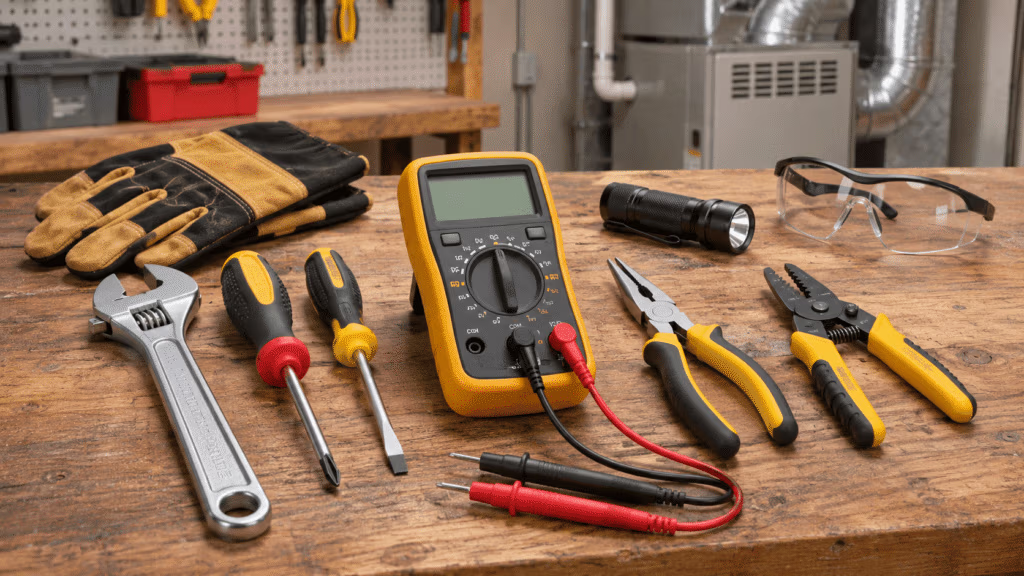
If you’re ready to roll up your sleeves and tackle some heat pump repairs yourself, having the right tools is crucial.
Must-Have Tools for Basic Heat Pump Maintenance
Every DIY enthusiast needs a solid toolkit. A multimeter is essential for testing electrical components and connections, ensuring everything’s in tip-top shape. A screwdriver set provides the versatility needed for various repair tasks, from tightening loose screws to opening panels.
A coil fin comb is a nifty tool for straightening and cleaning condenser and evaporator fins, which can become bent or dirty over time. Lastly, a refrigerant gauge set is necessary for accurately checking refrigerant levels, helping you diagnose potential issues before they escalate.
Safety Gear for DIY Heat Pump Repairs
Safety first, folks! When tackling DIY heat pump repairs, protective gear is a must. Protective gloves shield your hands from sharp components and chemicals, while safety goggles protect your eyes during maintenance activities.
Using an insulated tool set minimizes the risk of electrical shocks while working on your heat pump. And in case of minor injuries or accidents, a first aid kit is crucial to have on hand. These safety tools ensure that your DIY adventures are both productive and safe.
Recommended Brands and Where to Buy
When it comes to tools, quality matters. Klein Tools offers durable and reliable hand tools perfect for DIY enthusiasts. For high-quality multimeters and testing equipment, Fluke is a name you can trust. If you’re on the hunt for dependable refrigerant gauges and hoses, look no further than Yellow Jacket.
Local home improvement stores and online retailers offer a wide selection of these tools, making it easy to find what you need to keep your heat pump running smoothly.
DIY Heat Pump Maintenance Tips
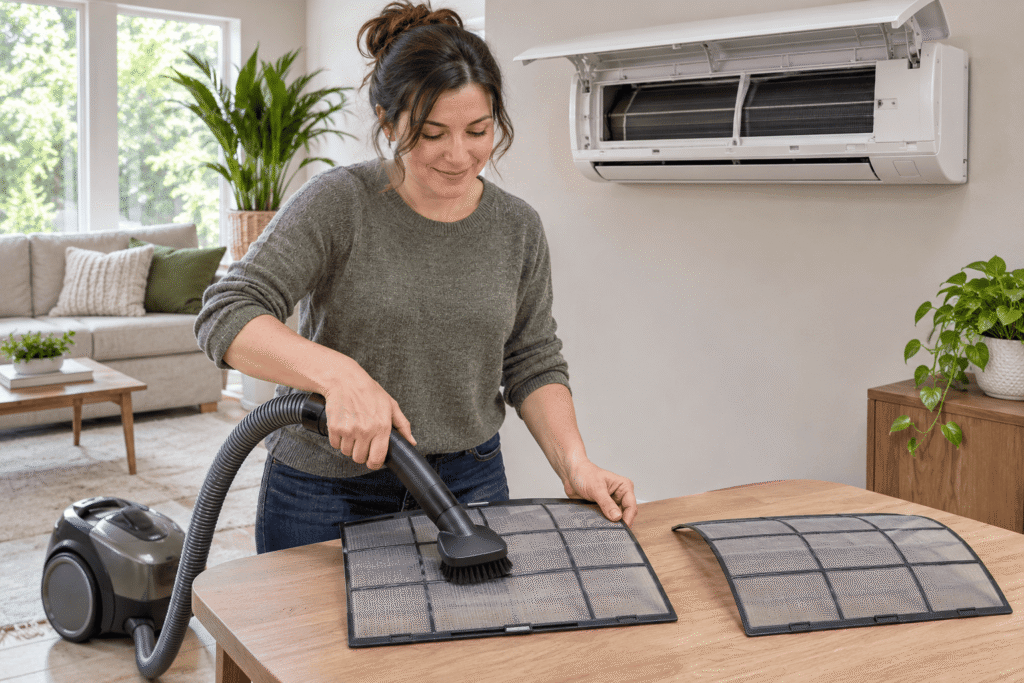
Regular maintenance is the ticket to a long-lasting, efficient heat pump. Here’s how you can keep your system in top shape.
Regular Cleaning and Inspection Routines
Cleaning the coils and fins is crucial for optimal heat exchange and efficiency. Dust and debris can hinder performance, so regular cleaning is a must. Inspecting the outdoor unit for debris prevents airflow obstructions, ensuring your system can breathe easy.
Checking electrical connections helps maintain safe and reliable operation, reducing the risk of unexpected breakdowns. Scheduling routine inspections can prolong your heat pump’s lifespan, saving you money in the long run.
How to Change a Heat Pump Filter
Changing your heat pump filter is a simple yet effective way to improve air quality and system performance. Start by locating the filter compartment in your indoor unit—it’s usually easy to access. Carefully remove the old filter to avoid spreading dust and debris around your home.
Insert a new filter that matches the size and specifications of the old one. Regular filter changes can make a world of difference in maintaining airflow and comfort levels in your home.
Lubricating Moving Parts for Better Efficiency
Lubrication is the unsung hero of efficiency in mechanical systems. Identify components that require lubrication, such as motors and fan bearings. Using manufacturer-recommended lubricants ensures compatibility and effectiveness.
Apply lubricant sparingly to avoid buildup and potential system damage. Routine lubrication reduces friction, prolonging component life and keeping your heat pump running smoothly.
Troubleshooting Heat Pump Heating and Cooling Issues
Troubleshooting can be a lifesaver when your heat pump isn’t performing as expected. Here’s a step-by-step guide to diagnosing common problems.
Step-by-Step Guide to Diagnosing Heat Pump Problems
Start by checking the thermostat settings and power supply connections. Sometimes, the simplest solutions are the most effective. Inspect filters and coils for dirt or debris that could be hindering performance.
Examine refrigerant levels and listen for unusual system noises that might indicate a deeper issue. Document your findings and consult the manufacturer’s manual for troubleshooting tips. This methodical approach can help you pinpoint the problem and get your system back on track.
Common Troubleshooting Mistakes to Avoid
Avoiding common pitfalls can save you from unnecessary headaches. Ignoring safety protocols can result in injury or further damage to the system, so always put safety first. Overlooking simple issues, like a tripped breaker, can lead to unnecessary repairs down the line.
Using improper tools or techniques may complicate or exacerbate problems, turning a minor fix into a major ordeal. Failing to consult professional help when needed can be costly in the long run, so know when to call in the experts.
When DIY Troubleshooting Isn’t Enough
Sometimes, despite your best efforts, DIY troubleshooting isn’t enough. Persistent problems may require professional expertise to resolve. Complex electrical or refrigerant issues should be handled by certified technicians who have the right tools and know-how.
A history of frequent repairs may indicate the need for a system upgrade. Consulting a professional ensures accurate diagnosis and effective solutions, giving you peace of mind and a comfortable home.
When to Call a Professional Heat Pump Repair Service
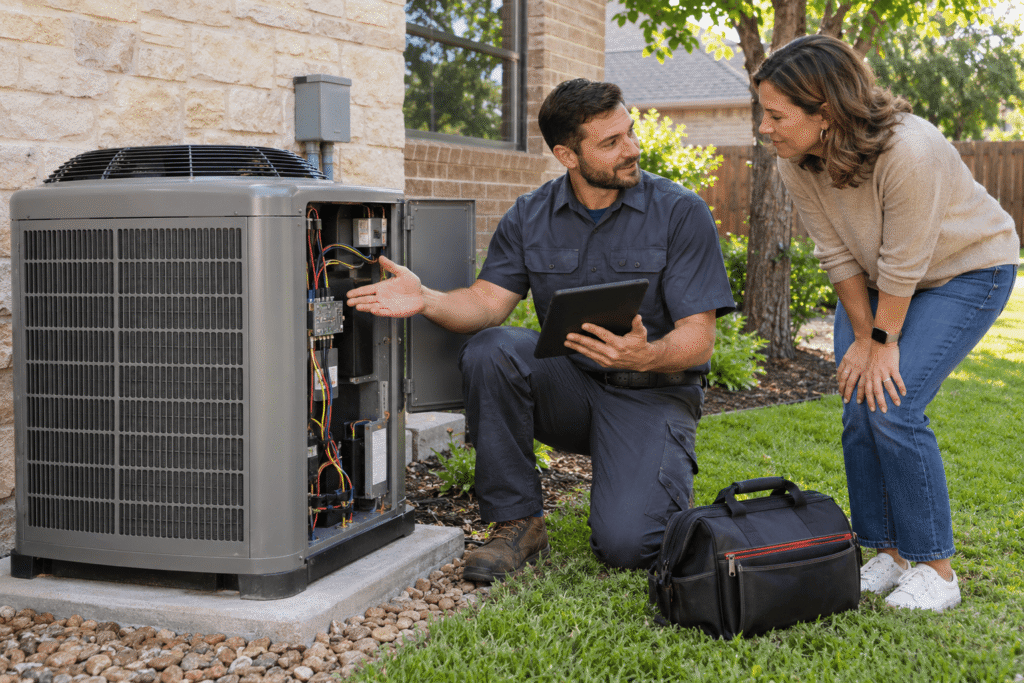
Knowing when to call in the pros is crucial for maintaining your heat pump’s health.
Signs You Need Professional Heat Pump Repair
If you’ve exhausted basic troubleshooting and your heat pump still isn’t up to snuff, it’s time to call in the experts. Unusual odors or smoke from the unit can indicate potential electrical problems that need immediate attention.
Frequent system cycling or high energy bills can suggest underlying issues that require professional diagnosis. Regular maintenance by a pro can catch problems before they escalate, ensuring your system runs smoothly year-round.
Questions to Ask Before Hiring a Heat Pump Service
Before hiring a service, arm yourself with the right questions. Ask about their experience with heat pump repair and maintenance. Can they provide references or testimonials from previous customers?
Inquire about their pricing structure and whether they offer service guarantees. Confirm that they are licensed and insured to perform HVAC repairs in North Texas. These questions can help you find a reliable service that meets your needs.
Understanding the Costs of Professional Repair Services
Understanding the costs involved in professional repairs can help you budget effectively. Labor costs often depend on the complexity and duration of the repair. Replacement parts may vary in price based on brand and availability.
Additional fees for emergency services or after-hours calls may apply, so be sure to clarify these details upfront. Regular maintenance packages can offer cost savings and extended system life, making them a worthwhile investment.
Cost-Effective Heat Pump Repair Solutions
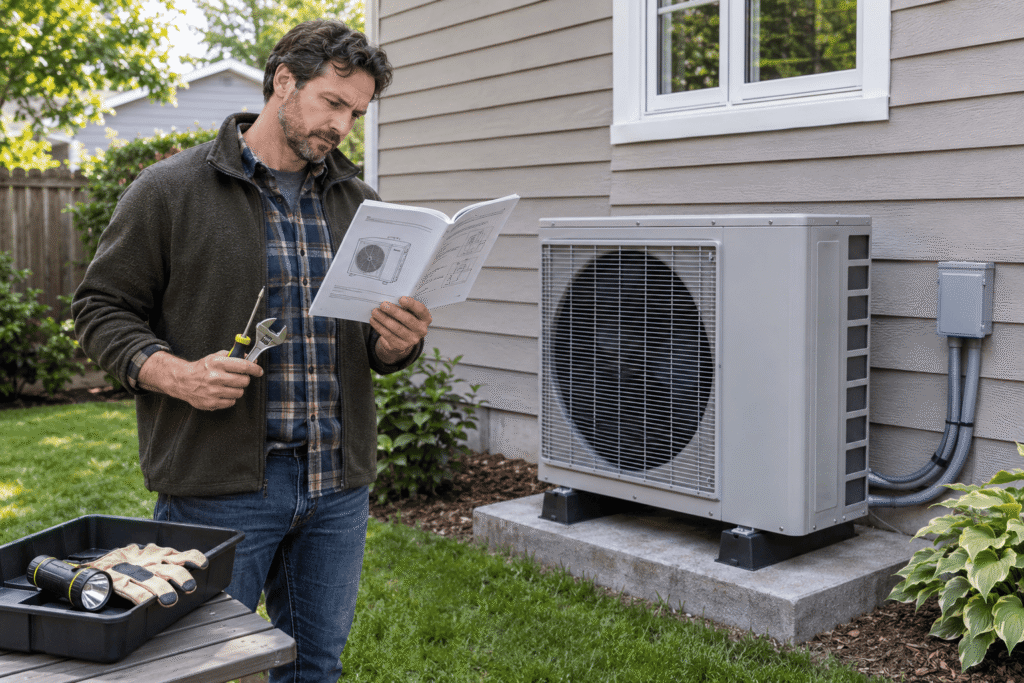
Keeping repair costs down is a priority for many homeowners. Here are some budget-friendly tips.
Budget-Friendly Repairs You Can Do Yourself
There are plenty of DIY repairs that won’t break the bank. Changing filters regularly is an inexpensive way to maintain system efficiency. Cleaning coils and removing debris from the outdoor unit can significantly improve performance.
Tightening loose components can prevent minor issues from worsening, saving you from costly repairs down the line. DIY troubleshooting can often resolve simple problems without the need for professional help, keeping more money in your pocket.
Negotiating Repair Costs with Service Providers
When professional repairs are necessary, don’t be afraid to negotiate. Requesting multiple quotes allows for comparison and potential savings. Discussing service packages or maintenance plans may reduce costs over time.
Inquiring about discounts or promotions can lower the overall repair bill. Building a relationship with a trusted service provider may lead to better rates and priority service, making negotiation a worthwhile endeavor.
Long-term Savings with Regular Heat Pump Maintenance
Investing in regular maintenance can lead to significant long-term savings. Preventative maintenance reduces the likelihood of costly repairs or replacements by catching issues early. Improved efficiency from regular upkeep lowers energy consumption and bills, maximizing your initial investment.
Consistent maintenance ensures reliable performance and home comfort, making it an investment that pays off in the long run.
Finding Reliable Heat Pump Service Providers in North Texas
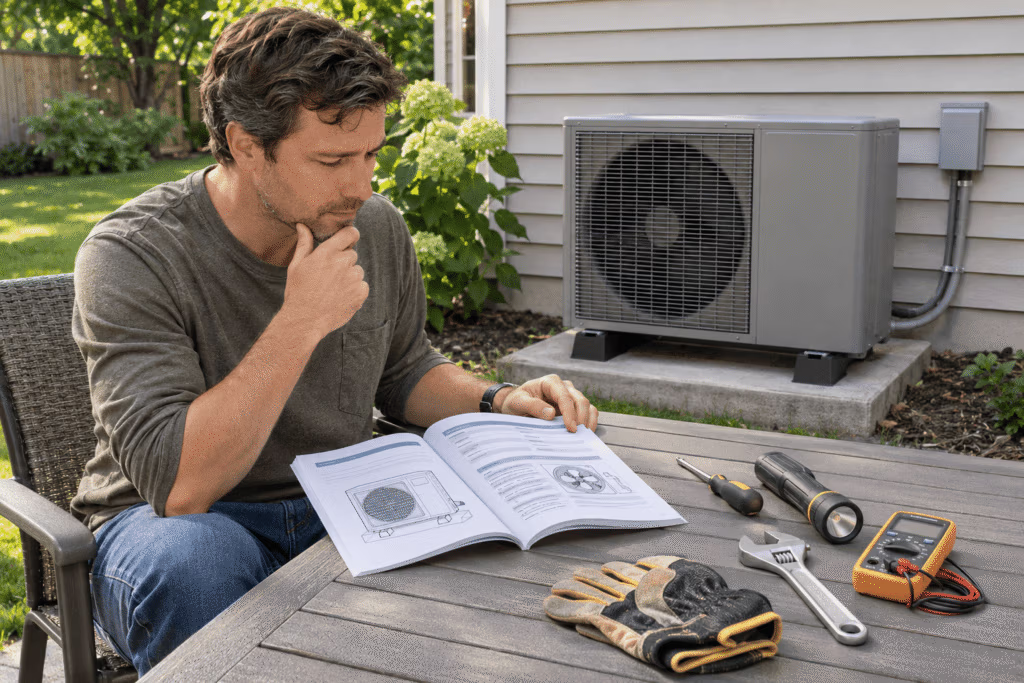
Choosing the right service provider can make all the difference in your heat pump’s performance.
Tips for Choosing the Right Repair Service
Finding a reliable repair service is easier with a few key tips. Checking credentials and certifications ensures you’re hiring qualified and skilled technicians. Comparing service offerings and pricing helps identify the best value for your needs.
Evaluating customer service responsiveness can indicate reliability and professionalism. Seeking recommendations from friends or neighbors can provide trustworthy leads, helping you make an informed choice.
Importance of Reading Reviews and Testimonials
Customer reviews and testimonials offer valuable insight into the quality and reliability of a service provider. Detailed testimonials highlight specific experiences and service outcomes, helping you gauge what to expect.
Consistent positive feedback indicates a reputable and trustworthy company. Addressing any negative reviews or concerns demonstrates a commitment to improvement, making reviews an essential part of your decision-making process.
Seasonal Heat Pump Maintenance for Optimal Performance
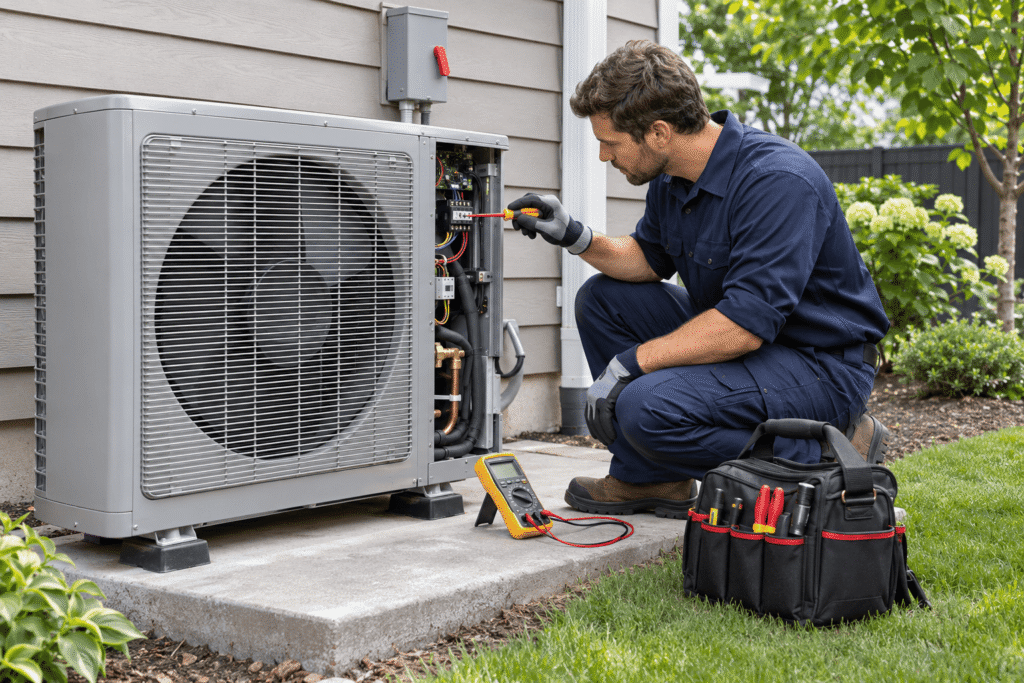
Seasonal maintenance is key to keeping your heat pump running efficiently all year.
Preparing Your Heat Pump for Winter Heating
As winter approaches, preparing your heat pump can prevent cold-weather woes. Inspecting and cleaning the system ensures efficient operation when temperatures drop. Checking insulation and sealing leaks prevents heat loss and improves comfort, keeping your home cozy.
Ensuring proper airflow by clearing debris from the outdoor unit enhances efficiency, reducing energy consumption. Scheduling a professional inspection before the winter season can provide peace of mind, ensuring your system is ready to tackle the cold.
Summer Maintenance Tips for Cooling Efficiency
Summer heat can put a strain on your heat pump, so regular maintenance is crucial. Cleaning coils and changing filters optimizes cooling performance, keeping your home refreshingly cool. Inspecting refrigerant levels and electrical connections can prevent breakdowns during the hottest months.
Shading the outdoor unit reduces the strain on the system, improving efficiency and performance. Calibrating the thermostat ensures accurate temperature control, maximizing energy savings and keeping you comfortable all summer long.
Year-Round Maintenance Schedule for Homeowners
A year-round maintenance schedule can keep your heat pump in top shape. Monthly filter checks and changes maintain air quality and system efficiency, preventing build-up that can hinder performance. Seasonal inspections and cleanings prevent unexpected issues and costly repairs.
Annual professional maintenance maximizes lifespan and performance, ensuring your heat pump serves you well for years to come. Keeping a maintenance log helps track service history and identify patterns, making it easier to stay on top of your system’s needs.
Energy-Efficiency Tips for Your Home’s Heating and Cooling System
Improving energy efficiency can lead to significant cost savings and a reduced environmental impact.
How to Improve Heat Pump Efficiency at Home
There are several ways to enhance your heat pump’s efficiency at home. Sealing windows and doors minimizes heat loss and improves system performance, keeping your home comfortable with less energy. Installing a programmable thermostat offers precise control over energy usage, allowing you to tailor settings to your schedule and preferences.
Regular maintenance ensures all components function effectively, reducing the risk of breakdowns and optimizing performance. Upgrading to energy-efficient models can also reduce consumption and environmental impact, making your home more sustainable.
Reducing Energy Bills with Smart Thermostat Settings
Smart thermostats offer a convenient way to reduce energy bills without sacrificing comfort. Setting temperatures according to occupancy patterns maximizes savings, ensuring your system only works when needed. Utilizing eco-friendly modes during absences decreases energy consumption, further lowering your bills.
Adjusting settings gradually reduces strain on the system and enhances comfort, avoiding sudden changes that can cause temperature fluctuations. Monitoring usage data helps identify opportunities for further savings, making smart thermostats a valuable tool for energy efficiency.
Insulation and Other Home Improvements for Better Efficiency
Improving your home’s insulation can enhance efficiency and comfort. Proper insulation in attics and walls maintains consistent indoor temperatures, reducing the load on your heat pump. Weatherstripping doors and windows prevents drafts and heat exchange, keeping your home snug and energy-efficient.
Upgrading windows to double-pane or energy-efficient models reduces heat transfer, further enhancing performance. Implementing these improvements can lead to significant cost savings and a more comfortable home, making them a worthwhile investment.
In conclusion, understanding and maintaining your heat pump can save you time, money, and headaches. From DIY maintenance tips to knowing when to call in the pros, this guide provides the insights needed to keep your system running efficiently. What steps will you take today to ensure your heat pump is ready for the seasons ahead?
Schedule Your Heat Pump Service for Year-Round Comfort
Struggling with uneven temperatures, unusual noises, or a system that won’t switch between heating and cooling? Turn to Comfort Experts for heat pump repair in North Texas. When basic filter and thermostat checks don’t resolve the problem, our team can diagnose the cause, explain your repair options, and recommend maintenance suited to your system. Don’t wait for a complete breakdown—contact Comfort Experts today to schedule expert heat pump repair and restore dependable heating and cooling to your home.