
Feeling the heat from a malfunctioning air conditioner can turn any comfortable home or business into a sauna. Whether it’s the middle of a blistering summer or you’re just trying to keep things cool, knowing how to handle minor AC issues can be a lifesaver. But sometimes, even the best DIY efforts can’t fix everything, and it’s crucial to understand when to call in the experts. In this guide, we’ll explore the basics of air conditioning repair, highlight common problems, and show you when it’s time to wave the white flag and call the professionals.
Ever wondered if your air conditioner is trying to tell you something when it starts making those odd noises?
Key Takeaways on Air Conditioning Repair
Understanding your AC system can help you identify and fix common issues yourself
Simple DIY fixes can often resolve minor problems, improving efficiency and comfort
Regular maintenance is vital to prevent major breakdowns and costly repairs
Knowing when to call a professional can save you time, money, and stress
Choosing the right HVAC service can ensure quality repairs and peace of mind
Understanding Your Air Conditioner: The Basics You Need to Know
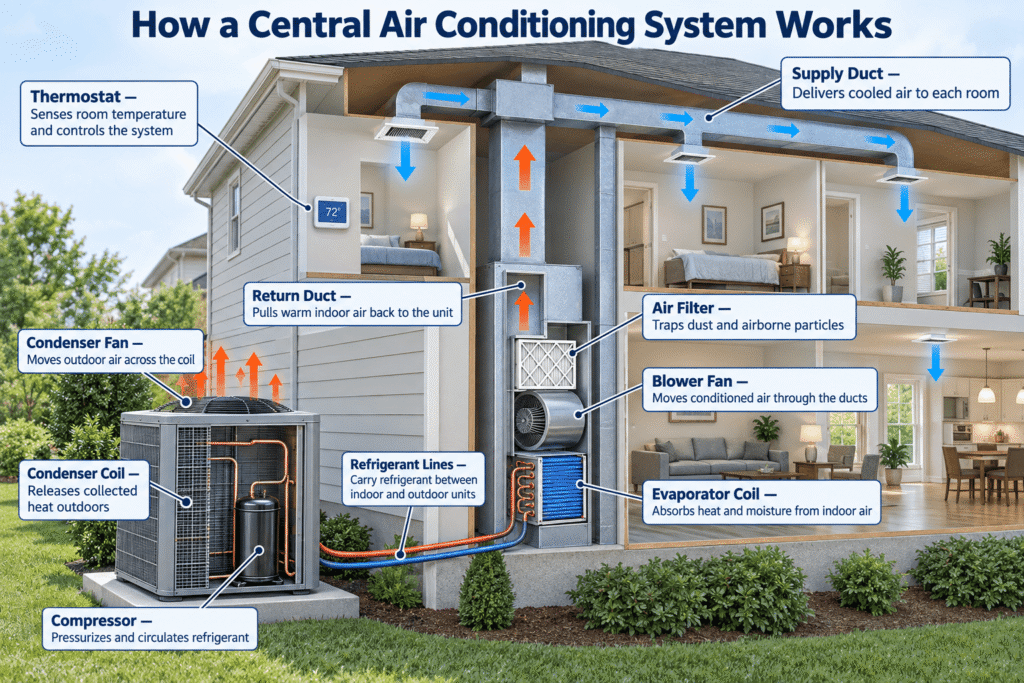
Before diving into repairs, it’s essential to understand the basics of how your air conditioning system works. This knowledge not only helps with troubleshooting but also empowers you to make informed decisions when dealing with professionals.
Different Types of Air Conditioning Systems
Air conditioning systems come in various shapes and sizes, each designed to meet specific needs. Central air conditioners are the titans of the cooling world, efficiently cooling larger spaces like entire homes. If you’re looking for a more budget-friendly option, a window unit might be the way to go. These compact systems offer an affordable solution for cooling single rooms. On the other hand, split systems provide versatility and quiet operation, making them ideal for those who value peace and quiet. Lastly, portable air conditioners offer flexibility, allowing you to move the unit from room to room, giving you cooling wherever you need it most.
When selecting the right air conditioning system, consider factors like space, budget, and personal preferences. Consulting with comfort experts can help you weigh the heating and cooling options available, ensuring you make the best choice for your environment.
Key Components of Your Air Conditioner
Every air conditioner, regardless of type, relies on several key components to function effectively. The compressor acts as the system’s heart, pumping refrigerant through the ac system and enabling the cooling process. Inside, the evaporator coil works its magic by absorbing heat from indoor air, while the condenser coil outside releases that absorbed heat into the environment. This cycle keeps your living space cool and comfortable.
Don’t forget the thermostat, the brain of your HVAC system. It allows you to set your desired temperature, ensuring your air conditioner maintains the perfect climate. Understanding these unit components helps you diagnose issues and appreciate the intricate dance of cooling that takes place within your air conditioner.
How Your Air Conditioner Works to Keep You Cool
At the core of every cooling process is the refrigerant, a special fluid that absorbs and releases heat as it cycles through your air conditioning unit. As it moves, the fan circulates cool air throughout your home, ensuring an even distribution of comfort. Meanwhile, the thermostat keeps a vigilant eye on temperature changes, adjusting the cooling as needed to maintain your desired climate.
But there’s more! Your air conditioning unit also plays a vital role in removing humidity from the air. By reducing moisture levels, it enhances comfort and creates a more pleasant environment. When you understand the unit function and the mechanics behind your AC system, you’re better equipped to keep it running smoothly.
Common Air Conditioning Problems and Quick Fixes
Even with regular maintenance, air conditioners can encounter issues. Understanding these common problems and knowing how to address them can save you time, money, and discomfort.
Identifying Common AC Problems
Strange noises, such as clanking or rattling, often signal loose or worn components within your AC unit. Addressing these sounds promptly can prevent further damage. Weak airflow might suggest clogged filters or blocked vents, hindering the system’s cooling efficiency. If you notice warm air blowing from the vents, it could indicate potential refrigerant issues, requiring immediate attention to avoid more significant problems. Frequent cycling, where the unit turns on and off rapidly, often points to thermostat or electrical problems that need troubleshooting.
By recognizing these air conditioning issues, you can take proactive steps to maintain an even cooling environment and ensure your system operates smoothly.
Simple Fixes for Minor Issues
Sometimes, the solution to your AC problems is simpler than you think. Replacing or cleaning air filters can significantly improve airflow, restoring your unit’s efficiency. Adjusting the thermostat settings might resolve temperature inconsistencies, ensuring your space remains comfortably cool. Make sure all vents are open and unobstructed; this simple step can boost your system’s performance. Additionally, tightening any loose screws can eliminate those pesky rattling noises that disrupt your peace.
These quick fixes are part of the diy ac repair process that can keep your system running smoothly and maintain your comfort without professional intervention.
Preventing Common Air Conditioner Problems
Prevention is always better than cure, especially when it comes to maintaining your air conditioner. Regular filter changes, ideally every one to three months, maintain optimal airflow and efficiency. Seasonal inspections can catch small issues before they escalate into costly repairs. Keeping the area around your outdoor unit clear of debris prevents blockages and ensures efficient operation. Finally, keeping vents and registers open promotes even cooling throughout your home.
By adhering to a consistent maintenance schedule, you can prevent ac problems and enjoy a more reliable cooling system.
How to Troubleshoot Your AC When It’s Not Cooling
When your air conditioner stops cooling, it’s time to roll up your sleeves and investigate. A systematic approach can help you pinpoint the issue and get your system back on track.
Checking Your Thermostat Settings
Start by examining your thermostat settings. Make sure it’s set to “cool” mode and that the temperature setting aligns with your preference. If the thermostat screen is blank, replace the batteries to restore functionality. Also, check that the thermostat isn’t placed in direct sunlight, as this can cause inaccurate readings and affect the cooling process.
By ensuring your thermostat settings are correct, you can often resolve uneven cooling issues without further intervention.
Inspecting Air Filters and Vents
Next, inspect your air filters. Over time, they accumulate dust and debris, restricting airflow and hindering your ac system‘s performance. Check filters monthly and replace or clean them as needed. Ensure all vents are open and free from obstructions like furniture or curtains, which can disrupt airflow. Regularly clean dust and debris from vent grilles to maintain proper function.
These simple air conditioning maintenance steps can prevent ac problems and keep your system running efficiently.
Examining the Circuit Breaker and Power Supply
If your AC still isn’t cooling, check the circuit breaker for any tripped switches. Resetting the breaker can restore power to your unit. Also, verify that the AC unit’s power switch is on and inspect electrical connections for visible damage.
These troubleshooting steps are crucial for restoring unit power and ensuring your air conditioning system runs smoothly.
The Importance of Regular AC Maintenance for Your Home
Regular ac system care is essential for maintaining comfort and efficiency in your home. A proactive approach can prevent unexpected breakdowns and extend the lifespan of your air conditioning unit.
Benefits of Regular Air Conditioning Maintenance
Routine maintenance offers numerous benefits. It extends the lifespan of your AC system, allowing you to enjoy cool comfort for many years. Regular checks improve energy efficiency, resulting in lower utility bills. Timely maintenance reduces the risk of unexpected breakdowns, ensuring your system operates smoothly when you need it most. Consistent care ensures optimal performance, keeping your home comfortable and your wallet happy.
By prioritizing regular maintenance, you can maximize your air conditioner performance and minimize repair costs.
Creating a Maintenance Schedule
To stay on top of maintenance, create a schedule that includes biannual checks before the summer and winter seasons. Mark filter replacement dates on your calendar, and set reminders for regular thermostat inspections. Plan for professional inspections annually to catch any issues early.
By incorporating these maintenance planning steps into your routine, you can keep your cooling system in top shape.
Essential Maintenance Tasks for Homeowners
Several maintenance tasks are essential for keeping your air conditioning unit running smoothly. Clean or replace air filters every one to three months to maintain optimal airflow. Clear debris from the outdoor unit to improve efficiency. Inspect and clean the condensate drain line regularly to prevent clogs and leaks. Periodically check for leaks or unusual noises to catch potential issues early.
These air conditioning care tasks are vital for maintaining your ac system and ensuring reliable performance.
Recognizing When Your Air Conditioner Needs Professional Repair Services
Sometimes, even the best DIY efforts aren’t enough, and professional intervention is necessary. Recognizing when your air conditioner needs expert help can save you from further headaches.
Signs Your Air Conditioner Needs Repair
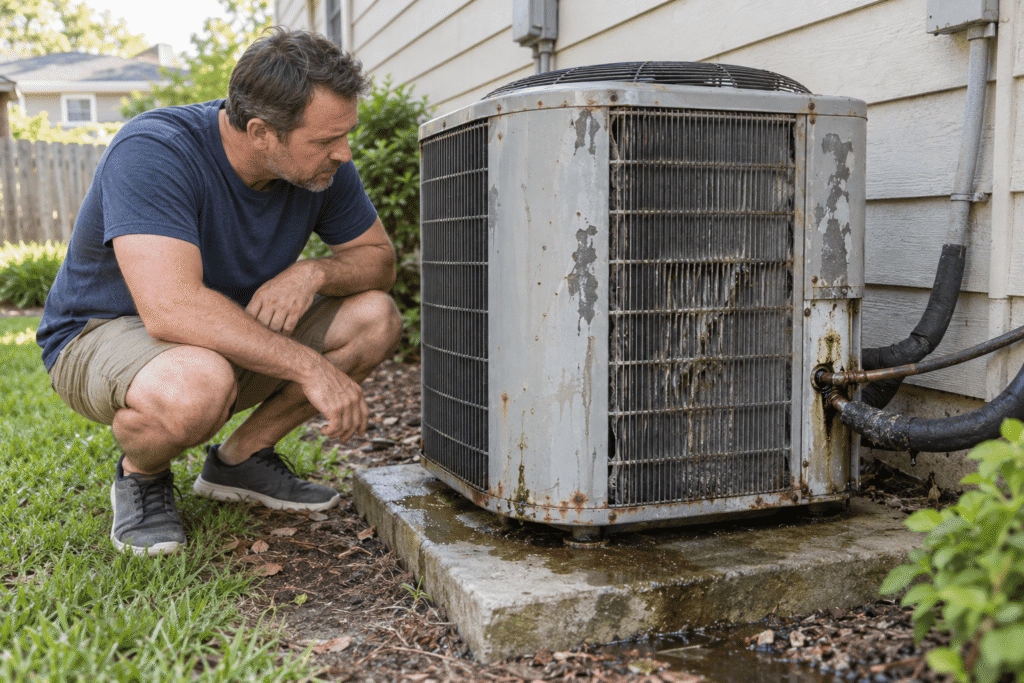
Unusual odors, such as musty or burning smells, often indicate mold or electrical problems within your unit. Persistent leaks suggest refrigerant or drainage issues that require attention. If you experience inconsistent temperatures, it could be due to failing components that need replacement. Rising energy bills often point to declining efficiency, signaling the need for repair.
Identifying these air conditioning issues early can prevent more significant unit problems and maintain your cooling efficiency.
Understanding When a Problem Requires Professional Help
Certain issues, like electrical problems, require expertise to address safely. Refrigerant leaks need professional handling, as improper repairs can be dangerous and illegal. Complex component replacements, such as motors or compressors, should be left to experts who can ensure proper installation. If you find that your DIY attempts don’t resolve persistent issues, it’s time to call the pros.
Knowing when to seek repair services can save you from costly mistakes and protect your system.
Avoiding Costly Repairs by Acting Early
Addressing small issues quickly can prevent major breakdowns and emergency AC repair costs. Regular maintenance allows professionals to detect problems before they escalate. Timely intervention by experts can save you money on repairs and ensure uninterrupted comfort during peak seasons.
By prioritizing early intervention, you can avoid costly repairs and maintain a reliable air conditioning system.
DIY Tips: Simple Air Conditioning Repairs You Can Do at Home
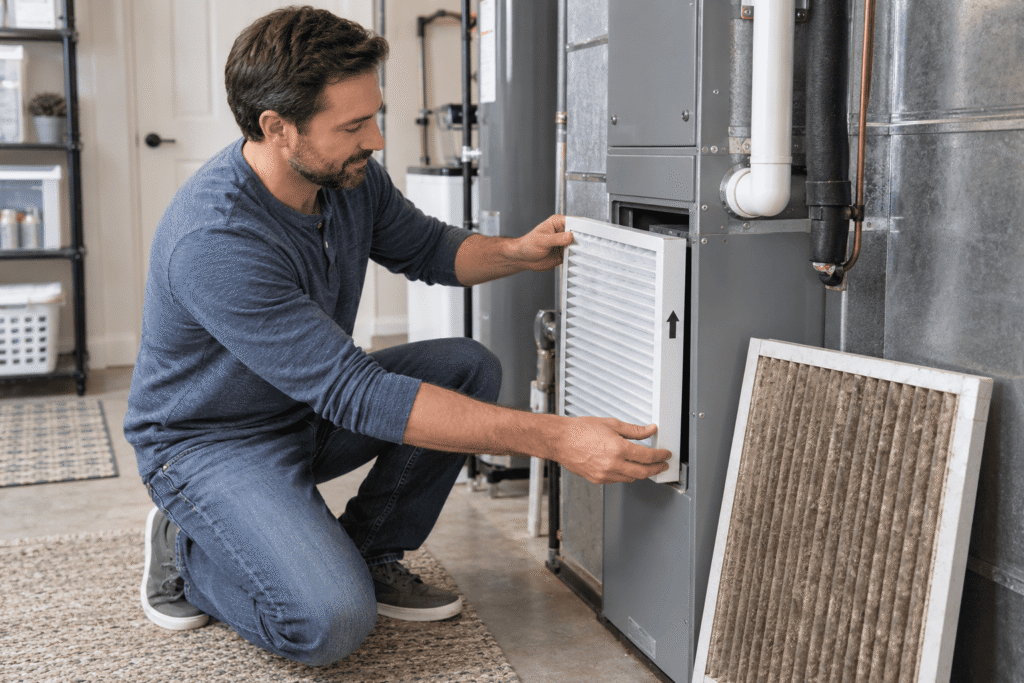
For those who enjoy tackling minor repairs, there are several diy ac repair tasks you can handle at home. With the right tools and know-how, you can keep your air conditioning unit running smoothly.
Tools You Need for Basic AC Repairs
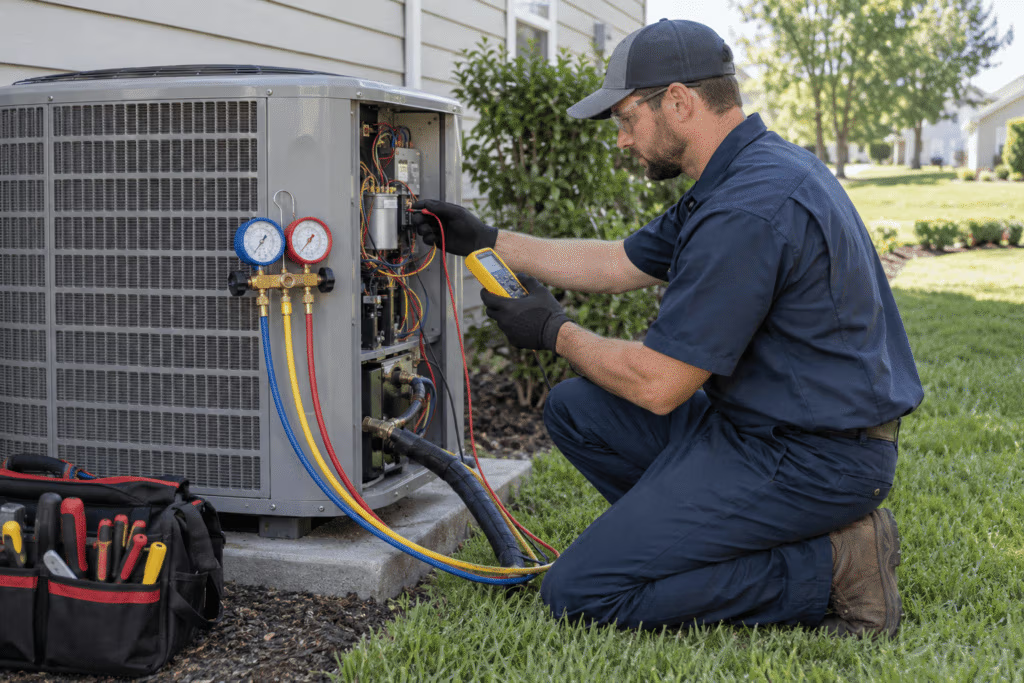
Having the right tools is essential for performing basic repairs. Screwdrivers are a must for accessing and securing components within your unit. A multimeter allows you to test electrical connections safely, ensuring everything is in working order. Use a vacuum to clean dust and debris from vents and coils, improving airflow and efficiency. A flashlight is handy for inspecting hidden areas and ensuring nothing is out of place.
Equipped with these diy tools, you’re ready to tackle minor unit maintenance tasks.
Safe DIY Repairs You Can Tackle
There are several safe repairs you can handle yourself. Replacing air filters is a straightforward task that can significantly enhance your air conditioning care. Cleaning the outdoor unit helps improve airflow and system efficiency. Tightening loose electrical connections ensures safe and reliable operation. Clearing blockages in the condensate drain line can prevent leaks and water damage.
These repair process steps are easy to follow and can prolong the life of your ac unit.
When to Stop and Seek Professional Assistance
While DIY repairs are often effective, there are times when you should stop and seek professional help. Electrical repairs should always be handled by qualified professionals to avoid safety hazards. Refrigerant handling requires certification and expertise to manage safely. Motor or compressor issues necessitate professional attention to ensure proper resolution. Complex diagnostic tests and evaluations are best left to skilled technicians.
Knowing when to call the pros is crucial for maintaining your hvac repair needs safely and effectively.
When to Call in the Pros: Knowing Your Limits with AC Repairs
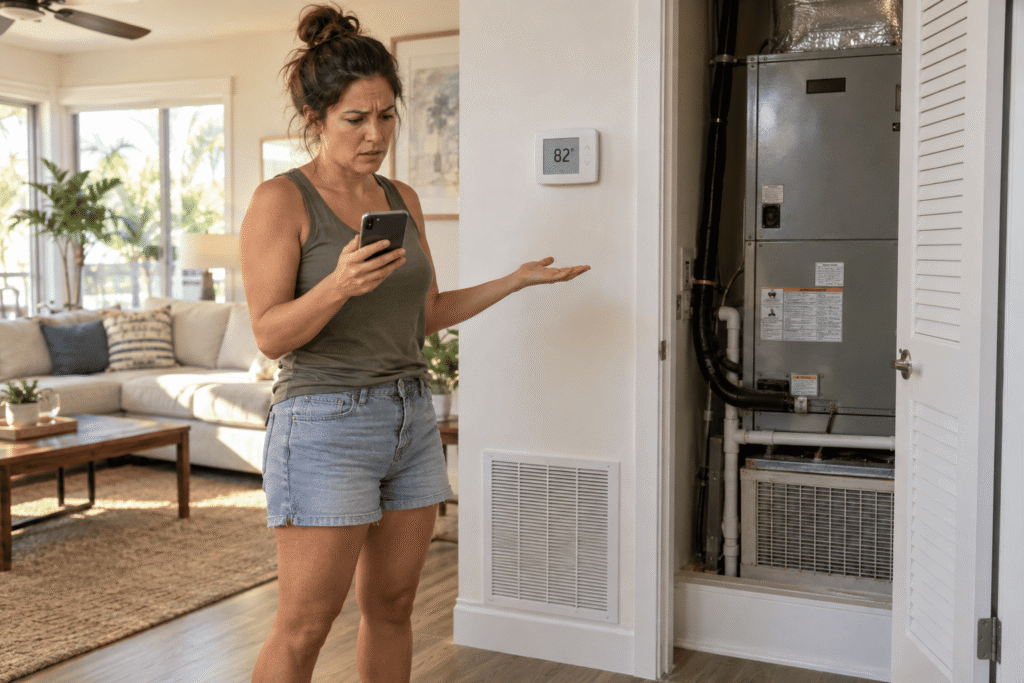
Understanding the limits of DIY repairs is essential for avoiding costly mistakes and ensuring your system’s longevity. Knowing when to call in the experts can keep your air conditioning unit running smoothly.
Evaluating the Complexity of Air Conditioning Issues
If your DIY attempts don’t resolve an issue, it may be more complex than anticipated. Complicated mechanical failures need expert diagnosis to determine the root cause. Electrical problems pose safety risks and require professional skills to address. Systematic failures, such as those affecting multiple components, often require comprehensive evaluations by professionals.
Recognizing issue complexity can help you make informed decisions about seeking professional help.
Potential Risks of DIY AC Repairs
While DIY repairs can save money, they also come with risks. Incorrect repairs can cause further damage or void warranties, leading to more significant issues. Electrical hazards pose serious safety risks that should not be underestimated. Misdiagnosis can result in costly mistakes and repairs. Refrigerant handling without certification is illegal and dangerous, emphasizing the importance of professional involvement.
Understanding diy risks helps you weigh the benefits against the potential downsides of tackling repairs yourself.
How Professional Services Can Save Time and Money
Professional services offer numerous advantages, including accurate diagnoses that avoid trial and error. Certified technicians ensure efficient and lasting repairs, preventing costly breakdowns and energy waste. Expert services maintain system warranties and value, protecting your investment. Timely repairs by professionals can prevent more extensive and expensive issues from developing.
By choosing professional services, you can save time and money on ac repair and enjoy peace of mind.
How to Choose the Right HVAC Repair Service in Atlanta

Selecting the right HVAC repair service is crucial for ensuring quality repairs and reliable service. Knowing what to look for can help you make the best choice for your needs.
Key Qualities to Look for in an HVAC Service
When choosing an HVAC service, look for key qualities that indicate reliability and expertise. Certification ensures technicians are qualified and knowledgeable about air conditioning repair. Experience in the industry guarantees reliable service and problem-solving skills. Positive reviews reflect customer satisfaction and trust in the service provided. Transparent pricing indicates honesty and reliability, helping you avoid unexpected costs.
These hvac service qualities can guide you in selecting the right repair company for your needs.
Questions to Ask Potential Repair Services
Before hiring a repair service, ask important questions to assess their suitability. Inquire about the company’s licensing and insurance coverage to protect yourself and your property. Ask about the experience level of their technicians, ensuring they have the skills needed for your repairs. Request a breakdown of services provided and related costs to understand what you’re paying for. Clarify warranty terms for parts and labor, ensuring you’re covered in case of future issues.
These repair service questions can help you make an informed decision when choosing professional services.
Evaluating Repair Service Reviews and Testimonials
Online reviews provide valuable insights into customer experiences with repair services. Look for testimonials that highlight the strengths and reliability of the service provided. Consistent positive feedback indicates quality and customer satisfaction, making it easier to trust the company. If you encounter negative reviews, see how the company addresses them, as prompt responses demonstrate accountability and commitment to improvement.
By evaluating service reviews, you can gain confidence in your choice of hvac service for atlanta air conditioning repair.
Balancing DIY Efforts and Professional Air Conditioning Services
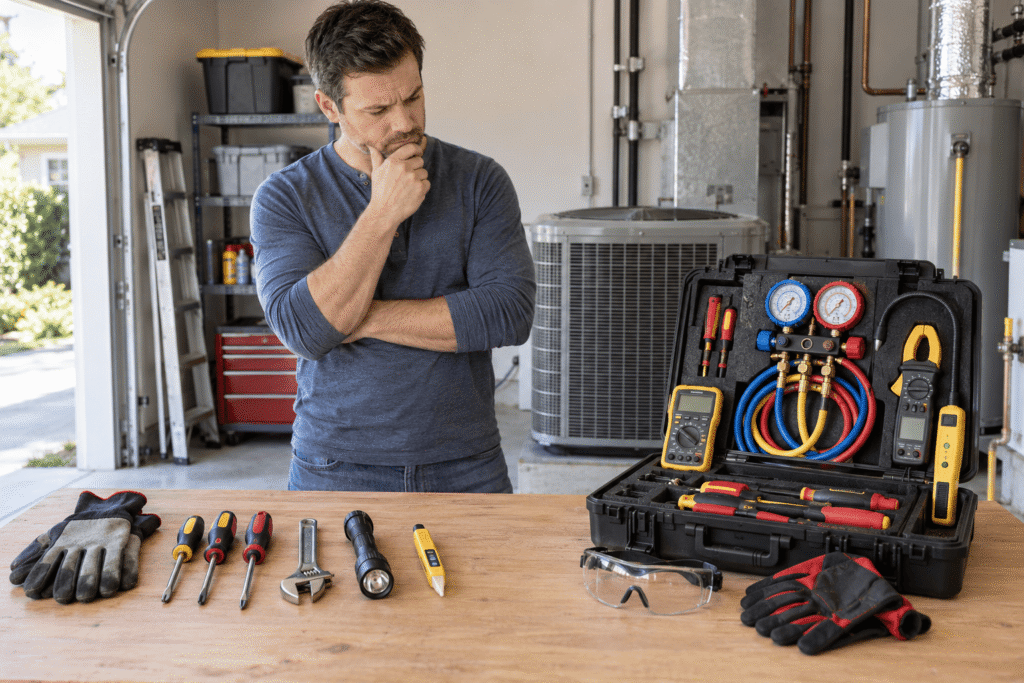
Striking a balance between DIY efforts and professional services is key to maintaining your air conditioning system effectively. Knowing when to handle repairs yourself and when to call in the experts is essential for optimal performance.
Understanding the Balance Between DIY and Professional Repairs
Simple maintenance tasks, like changing filters or cleaning the outdoor unit, can be handled by homeowners. However, complex repairs, such as electrical issues or refrigerant handling, are best left to skilled professionals. Knowing your limits ensures safety and prevents costly errors, while combining efforts maintains efficiency and performance.
By balancing diy and professional repair efforts, you can keep your air conditioning strategy on track.
Cost Considerations for AC Repairs
DIY repairs can save money on minor fixes and regular maintenance, reducing the need for professional intervention. However, professional services prevent expensive mistakes and breakdowns, offering long-term savings. Regular maintenance reduces repair costs over time by catching issues early. Weighing immediate costs against long-term savings is crucial for making sound financial decisions.
Considering repair costs and ac repair expenses helps you make informed choices about your hvac repair needs.
Making Informed Decisions for Your Home’s Comfort
When faced with AC repair decisions, consider the urgency and complexity of the issue. Evaluate potential risks versus the benefits of DIY repairs, seeking professional advice when in doubt. Prioritize safety, efficiency, and comfort for your home, ensuring your air conditioning system meets your needs.
By making informed decisions, you can optimize your home comfort and air conditioning options.
The Role of HVAC and Plumbing in Comprehensive Home Maintenance
A well-maintained home relies on both HVAC and plumbing systems working in harmony. Understanding their relationship can enhance overall efficiency and comfort.
How HVAC and Plumbing Systems Work Together
HVAC systems rely on plumbing for efficient drainage, ensuring moisture is removed from the home. Shared components, such as condensate lines, may require joint maintenance and inspections to prevent issues. Coordinated efforts between HVAC and plumbing services ensure optimal home comfort and efficiency. Proper integration prevents system conflicts and maintains a balanced environment.
Understanding integrated systems can improve your home maintenance approach.
Importance of Integrating HVAC and Plumbing Maintenance
Joint maintenance enhances overall home efficiency by addressing both HVAC and plumbing needs. Regular inspections prevent leaks and water damage, protecting your home from potential issues. Integrated schedules streamline maintenance efforts, reducing the need for separate appointments. Coordinated services minimize unexpected repair needs and ensure comprehensive care.
By prioritizing integrated maintenance, you can enjoy a well-functioning home environment.
Scheduling Regular HVAC and Plumbing Services
Plan biannual checks for both HVAC and plumbing systems to maintain optimal performance. Coordinate services to minimize disruptions and reduce costs, ensuring comprehensive care. Keep detailed records of maintenance and repairs, allowing you to track work done and anticipate future needs. Engage trusted professionals for both HVAC and plumbing services, ensuring your home receives the care it deserves.
By following a maintenance schedule, you can optimize your hvac services and plumbing services for a comfortable and efficient home.
Keep Your Home Cool With Professional AC Care
Knowing when to handle basic maintenance and when to call a professional can help protect your air conditioner and your home’s comfort. If your system still blows warm air, makes unusual noises, or struggles to cool after simple checks, turn to Comfort Experts for air conditioning repair and maintenance in Fort Worth and surrounding North Texas communities. Schedule service today to address the problem and get your home feeling comfortable again.