Most water heaters last 8 to 12 years. Tankless models can last 20 years or more with proper care.
That’s the short answer.
But if you’ve owned a home long enough, you know that nothing lasts forever—especially the things that keep you comfortable. Knowing how long your water heater will last helps you plan. This way, you can avoid cold showers and save money on emergency replacements.
Let’s look at what really decides a water heater’s lifespan and how to make yours last as long as possible.
Quick Takeaways
If you’re looking for a fast answer, here’s a simple checklist:
- Standard tank water heaters last 8–12 years.
- Tankless water heaters can last 20+ years.
- Hard water, poor maintenance, and age cause most early failures.
- Flush the tank annually and replace the anode rod every 3–5 years.
- Replace your unit if it’s leaking, making noise, or over 10 years old.
- Watch for sediment buildup, falling energy efficiency, and unstable water temperature.
- Regular maintenance helps protect water pressure and extends life expectancy.
Average Lifespan by Type of Water Heater
Tank (storage) water heaters: Usually last 8–12 years before corrosion wins.
Tankless water heaters: Often reach 20 years or longer since they don’t store standing water.
Heat pump or hybrid water heaters: About 10–15 years, depending on maintenance.
Point-of-use models: Smaller units that last 5–10 years due to frequent heating cycles.
Tankless systems last longer because they heat water on demand. No stored water means less sediment, less rust, and less wear and tear.
What Affects How Long a Water Heater Lasts
 A few small habits can stretch—or shorten—your water heater’s life expectancy.
Water Quality
Hard water carries minerals that settle in the tank. Over time, that sediment buildup insulates the heating element and forces the system to work harder. Flushing the tank and using a water softener can slow this damage.
Maintenance Habits
Skipping regular maintenance is like skipping oil changes in a car. A quick annual flush removes sediment. Replacing the anode rod every few years prevents internal rust.
Installation Quality
A poor install can shorten your heater’s life before it even starts. Proper venting, secure plumbing, and pressure relief valves all matter.
Usage & Demand
More people mean more showers, dishes, and laundry—and more heating cycles. Heavy use accelerates wear and tear.
Location & Environment
A water heater in a damp basement or uninsulated garage faces extra strain. Climate matters, too. Colder water in winter makes the unit work harder to heat water.
Signs Your Water Heater Is Nearing the End
If your system is struggling, it’s trying to tell you something.
- Rusty or tinted hot water
- Rumbling or popping noises from sediment
- Leaks or water pooling at the base
- Fluctuating water temperature
- System older than 10–12 years
- Higher utility bills with no clear reason
Any of these signs could mean it’s time to replace your water heater before it fails completely.
How to Extend the Life of Your Water Heater
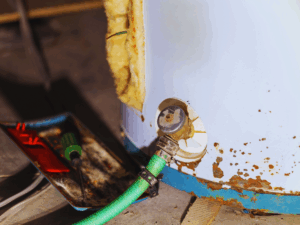 A few small habits go a long way.
- Flush the tank once a year to clear sediment buildup
- Replace the anode rod every 3–5 years
- Set water temperature to 120°F to reduce strain and energy waste
- Use a water softener in hard-water areas
- Schedule yearly maintenance with a licensed plumber
A half hour of prevention can add years to your heater’s lifespan and keep your water pressure steady.
When to Repair vs. Replace
Repair it if it’s under 10 years old and the problem is small—like a failed valve or heating element.
Replace it if the tank leaks, the water turns rusty, or the system is over 12 years old.
Waiting too long risks a burst tank and water damage. Newer models are far more energy efficient, so upgrading often saves more in the long run.
Choosing a Replacement Water Heater
When replacement time comes, match the system to your home’s needs.
- Tank vs. tankless: Tanks are cheaper upfront; tankless saves space and energy.
- Fuel source: Electric, gas, or hybrid—each affects cost and efficiency.
- Size: Bigger isn’t always better; the right capacity keeps performance steady.
- Efficiency ratings: Look for Energy Star models and rebate programs.
- Professional installation: Ensures safe connections and optimal performance.
A good plumber will measure your household’s hot water use, explain your options, and install the system to local code.
FAQ: How Long Do Water Heaters Last?
How long should a water heater last in a typical home?
Most last 8–12 years, depending on type and regular maintenance.
Can a water heater last 20 years?
Yes. Tankless models can exceed 20 years if properly maintained.
What are the signs a water heater is failing?
Rusty water, leaks, strange noises, and inconsistent temperatures.
How can I make my water heater last longer?
Flush the tank, replace the anode rod, and schedule annual inspections.
Should I repair or replace my old water heater?
If it’s over 10 years old or leaking, replacement makes more sense than repair.
Call the Plumbing Genius for Expert Water Heater Service
 A good water heater doesn’t just heat water—it keeps your home comfortable.
Most systems last 8–12 years, tankless ones 20 or more. If yours is showing its age, it’s time to call the Plumbing Genius at Comfort Experts.
We handle repairs, replacements, and new installations across Fort Worth, TX, with fast service and guaranteed results.
Don’t wait for your water heater to fail — call Comfort Experts today and get Plumbing Genius on your side.