Is Fort Worth tap water safe to drink? Yes — Fort Worth tap water meets federal safety standards, but that doesn’t always mean it’s ideal for every household. “Safe” in a regulatory sense and “comfortable or preferred” in daily use are not always the same thing.
This article explains what’s in Fort Worth tap water, where potential concerns come from, and what homeowners can do if they want better taste, consistency, or peace of mind.
 Quick Takeaways
- Fort Worth tap water meets EPA drinking water standards.
- The water is considered hard, with noticeable mineral content.
- Trace contaminants may be present due to aging infrastructure.
- Lead risk depends on home plumbing, not city treatment.
- Filtration can improve taste, odor, and contaminant reduction.
Does Fort Worth Tap Water Meet Safety Standards?
Yes. Fort Worth tap water is regulated by the Environmental Protection Agency (EPA) and the Texas Commission on Environmental Quality (TCEQ). These agencies set limits on a wide range of contaminants and require ongoing testing by local water utilities.
When officials say water is “safe to drink,” it means contaminant levels are below legal limits. Researchers measure these limits in parts per billion or even parts per trillion. These limits aim to protect public health across large populations.
That said, regulatory compliance does not mean water is completely free of contaminants. It means levels fall within acceptable limits. Taste, odor, mineral content, and plumbing-related issues can still affect drinking water quality at the tap.
Where Fort Worth’s Drinking Water Comes From
The City of Fort Worth mainly uses surface water. This includes reservoirs and lakes that are managed by regional water systems. This water is treated, disinfected, and distributed across a large and complex network.
Treatment gets rid of harmful bacteria and cuts down on contaminants. However, water must travel many miles through underground pipes before it reaches your faucet. Along the way, conditions inside pipes, storage tanks, and service lines can influence final water quality.
What’s Commonly Found in Fort Worth Tap Water
All municipal water contains some level of dissolved material. Fort Worth tap water is no exception.
Minerals and Hard Water
Calcium and magnesium are naturally present and are responsible for Fort Worth’s hard water reputation.
Hard water is not a health risk, but it can:
- Affect taste
- Leave scale on fixtures and appliances
- Contribute to dry skin or hair
Disinfectants and Byproducts
Chlorine or chloramine is added to keep water safe as it travels through water systems. These disinfectants prevent bacterial growth but can create disinfection byproducts.
While regulated, these byproducts are a common reason residents notice chlorine taste or odor in Fort Worth tap water.
Trace Contaminants
Small amounts of naturally occurring and man-made substances can appear in drinking water. These may include minerals, industrial residues, or agricultural runoff. Levels are typically well below EPA limits, but aging infrastructure can influence what reaches individual homes.
Is Lead a Concern in Fort Worth Drinking Water?
 Lead is a common concern — and an important one to clarify.
Lead does not usually come from Fort Worth’s treatment facilities.
Instead, it enters water through:
- Older service lines
- Outdated plumbing materials
- Fixtures inside homes
Homes built decades ago are more likely to have lead-containing components. This is why lead risk varies by property, not by citywide water treatment.
The city publishes a yearly water quality report, but that report cannot account for individual home plumbing conditions.
Why Water Quality Can Vary by Neighborhood or Home
Two homes on the same street can have different water experiences.
Common reasons include:
- Age of the home
- Pipe materials used during construction
- Distance from treatment plants
- Water sitting in pipes overnight
This variability shows why questions about Fort Worth tap water often depend on personal plumbing, not citywide water safety.
How to Tell If Your Tap Water Is Affecting Your Home
Some issues are easy to spot. Others show up gradually.
- Noticeable taste or odor changes
- White scale buildup on fixtures or appliances
- Dry skin or hair after bathing
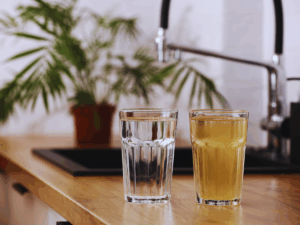
- Cloudy water that clears after sitting
These signs don’t mean the water is unsafe to drink, but they often indicate opportunities for improvement.
Should You Filter Fort Worth Tap Water?
Water filtration is best viewed as a quality upgrade, not a fear-based necessity. Many homeowners choose filtration to improve taste, reduce mineral buildup, or address concerns about trace contaminants.
 Filtration can be especially helpful for:
- Families with young children
- Older homes with aging plumbing
- Taste-sensitive households
Types of Water Filtration Systems That Work Best
Different needs call for different solutions:
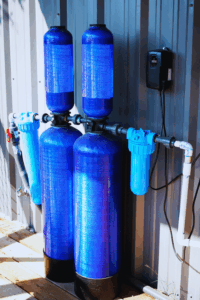
- Whole-home filtration systems reduce sediment and chlorine throughout the house.
- Under-sink or point-of-use systems target drinking and cooking water.
- Reverse osmosis systems provide advanced filtration for a wide range of contaminants.
The right water filtration system depends on your home, plumbing, and goals.
Frequently Asked Questions About Fort Worth Tap Water
Is Fort Worth tap water safe to drink straight from the faucet?
Yes. Fort Worth tap water meets EPA and TCEQ standards and is considered water safe to drink for the general public.
Why does Fort Worth tap water taste or smell like chlorine?
Chlorine is used to disinfect water and protect it as it moves through water systems. Taste and odor are common side effects.
Is Fort Worth water hard or soft?
Fort Worth tap water is considered hard, due to calcium and magnesium content.
Does boiling tap water remove contaminants?
Boiling kills bacteria but does not remove minerals, lead, or most chemical contaminants.
Do water filters remove lead and other contaminants?
Some water filters do. Effectiveness depends on the system design and certification.
Final Verdict — Is Fort Worth Tap Water Safe to Drink?
Fort Worth tap water meets federal and state safety standards. For most residents, it is legally safe to drink. However, water quality can vary based on plumbing, mineral content, and personal preference.
Filtration doesn’t mean the water is unsafe. It means homeowners want better consistency, taste, and confidence.
Improve Your Water Quality With Comfort Experts
 If you want more control over your drinking water quality, Comfort Experts can help. We serve Fort Worth, TX and nearby areas, offering professional water testing and customized water filtration services.
Our team helps homeowners pick the best water filtration system for their home. This improves taste, protects appliances, and provides cleaner water where it matters most.
That’s plumbing genius at work: practical solutions, clear answers, and water you feel good about using every day.