Heat pumps confuse many homeowners. The term sounds technical, and the options feel endless.
When people search for types of heat pumps, they usually want a clear answer to a simple question: which system fits my home.
Heat pumps all serve the same purpose. They move heat instead of generating it. The right system depends on climate, home layout, and comfort goals. Once you understand how each type works, the decision becomes easier.
 Quick Takeaways: Types of Heat Pumps
- Air-source heat pumps are the most common option
- Ducted and ductless systems serve different home layouts
- Ground-source heat pumps offer high efficiency with higher install effort
- Cold-climate heat pumps perform well in moderate winters
- The right system depends on climate and home design
How Heat Pumps Work
Heat pump systems move heat from one place to another. They do not create heat through burning fuel or electric resistance. In heating mode, the outdoor unit pulls heat from the air, ground, or water and transfers it indoors. In cooling mode, the system reverses and removes heat from indoor air.
This process relies on refrigerant lines, an air handler, and a compressor. The system transfers heat instead of producing it, which makes heat pumps energy efficient. One system handles heating and cooling, which simplifies operation and reduces overall energy use.
Main Types of Heat Pumps
All heat pumps follow the same principle, but they differ by where they collect heat. Each source affects efficiency, installation effort, and long-term performance.
Air-Source Heat Pumps
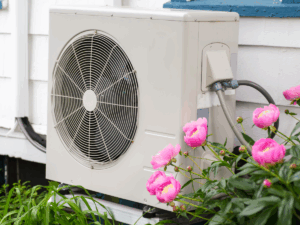
Air source heat pumps pull heat from outdoor air. They are the most common type used in homes. These systems connect an outdoor unit to an indoor air handler and move warmed air through ducts or indoor units.
Air-source heat pumps work well in mild to moderate climates. They provide steady heating and cooling without needing extra equipment. Installation is straightforward for homes with existing heating ventilation and air conditioning HVAC systems. For most homeowners, this type delivers the best balance of cost, performance, and efficiency.
Ground-Source (Geothermal) Heat Pumps
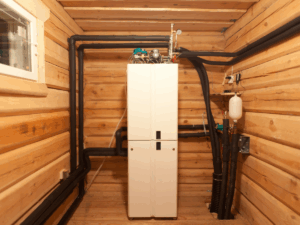 Ground source heat pumps, also called geothermal heat pumps, collect heat from the ground. Underground temperatures remain stable year-round. This stability allows geothermal systems to deliver high efficiency heat in both heating and cooling modes.
These systems require buried loops and more installation work. The upfront effort is higher, but long-term performance is strong. Ground-source heat pumps suit homeowners focused on long-term energy efficient operation and consistent comfort.
Water-Source Heat Pumps
Water source heat pumps transfer heat using a water supply such as a well, pond, or loop system. Water holds heat well, which supports stable performance.
These systems make sense only when a suitable water source exists. Installation limits availability for most homes. When conditions allow, water source heat pumps deliver reliable heating and cooling with strong efficiency.
Ducted vs Ductless Heat Pump Systems
Heat pumps also differ by how they distribute air. The choice depends on whether your home uses ducts.
Ducted Heat Pump Systems
Ducted systems connect to existing ductwork. The air handler pushes warmed air or cooled air through vents. These systems support whole-home comfort and work well in homes built with ducts.
Ducted heat pump systems fit homeowners who want uniform indoor air control. They integrate cleanly with existing HVAC layouts and require minimal structural changes.
Ductless Mini-Split Heat Pumps
Ductless systems use wall-mounted indoor units instead of ducts. Each unit controls its own zone. Refrigerant lines connect the indoor units to the outdoor unit.
These systems suit homes without ducts, room additions, or older homes with uneven heating. Ductless heat pumps offer flexibility and zone-based comfort. Installation remains simpler than adding full ductwork.
Cold-Climate Heat Pumps Explained
Cold-climate heat pumps include features that improve performance in lower temperatures. These systems use advanced compressors and controls to maintain heating output when outdoor temperature drops.
Even in colder weather, these heat pumps continue to move heat effectively. In areas like North Texas, cold-climate models help during winter cold snaps. They do this without losing efficiency in milder weather.
Comparing the Types of Heat Pumps
Each heat pump type serves a different need.
- Efficiency: Ground source heat pumps lead in efficiency heat pumps performance. Air-source systems still deliver strong energy efficient results for most homes.
- Installation complexity: Air-source systems install faster. Ground and water systems require more planning and labor.
- Typical use cases: Air-source fits most homes. Ductless systems fit targeted spaces. Geothermal suits long-term planners.
- Long-term value: Higher installation effort often returns stronger long term savings.
Which Type of Heat Pump Is Best for Your Home?
 Homes with existing ductwork often benefit from ducted air source heat pumps. Homes without ducts may prefer ductless mini-splits.
Homeowners focused on efficiency often lean toward geothermal heat pumps. Homeowners focused on upfront cost usually choose air-source systems.
The best system aligns with how your home handles heating and cooling today.
Types of Heat Pumps in Fort Worth, TX
Climate matters more than brand. Fort Worth experiences long warm seasons and short winter cold spells. Air source heat pumps perform well in these conditions. They move heat efficiently most of the year and support both heating and cooling needs.
Ductless systems make sense for additions and older homes. Hybrid setups help homeowners who want backup heat during rare cold extremes. Ground source heat pumps work but often exceed local needs.
FAQ: Types of Heat Pumps
What are the main types of heat pumps?
The main types include air source heat pumps, ground source heat pumps, and water source heat pumps.
Which type of heat pump is most efficient?
Ground source systems deliver the highest efficiency, but air-source heat pumps still provide strong performance in most climates.
Are ductless heat pumps better than ducted systems?
Neither is better overall. Ductless systems suit homes without ducts. Ducted systems support whole-home comfort.
Do heat pumps work in cold weather?
Yes. Modern heat pumps operate in cold weather, especially cold-climate models designed for lower temperatures.
How long do heat pump systems last?
Most heat pump systems last 15 to 20 years with proper maintenance.
 Get Expert Help Choosing the Right Heat Pump
System sizing affects comfort and efficiency. Load calculations ensure the system matches your home. Choosing the wrong type leads to uneven heating, higher bills, and early wear.
Comfort Experts helps homeowners choose the right heat pump systems for Fort Worth homes. Our team selects, sizes, and installs systems designed for Texas conditions.