Why is my furnace overheating? That question usually comes after the system shuts down, the house goes cold, and something smells a little off. Furnace overheating is common, but it is never harmless. This article explains what overheating means, the warning signs, safe checks you can do, and when furnace repair or replacement makes sense.
What Does It Mean When a Furnace Overheats?
A furnace overheats when hot air cannot move through the system at the right pace. Heat builds up inside instead of moving into the home. To prevent damage, the furnace shuts down burners using a limit switch. This is not normal operation. It is a fault condition meant to protect the system and the people inside the house.
Common Warning Signs Your Furnace Is Overheating
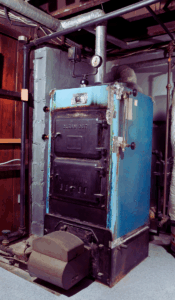 Furnace Shuts Off Before Reaching Set Temperature
The heating cycle starts, runs briefly, then stops. The home never reaches the thermostat setting.
Blower Runs Without Heat
The blower fan keeps pushing air, but it is not warm. This happens after burners shut off for safety.
Burning or Hot Metal Smells
A burning smell often comes from overheated parts or dust buildup. It should never be ignored.
Frequent Short Cycling
Short cycling means the furnace turns on and off repeatedly. This is a common sign the furnace is working harder than it should.
Error Codes or Flashing Lights
Modern furnaces signal overheating through blinking lights or error codes. These are warnings, not suggestions.
Why Is My Furnace Overheating?
1. Dirty or Clogged Air Filter
A dirty air filter blocks airflow. Heat stays trapped inside the furnace instead of moving out. This causes the furnace to overheat and shut down. It is the simplest problem with the biggest impact.
2. Blocked or Closed Vents and Returns
Air must move freely. Closed vents, blocked returns, or furniture in the way restrict airflow. When air cannot circulate, heat builds up inside the system.
3. Blower Motor or Fan Problems
The blower motor moves hot air through the system. If it slows down or fails, heat stays inside the furnace. Worn parts, dust, or electrical wiring issues can cause this mechanical failure.
4. Furnace Is Too Large for the Home
An oversized furnace heats too fast. It shuts down before heat spreads evenly. This leads to short cycling and repeated overheating, especially in older homes.
5. Faulty High-Limit Switch
The limit switch senses internal temperature. When it trips too often, it may be failing or reacting to another issue. Repeated trips usually point to restricted airflow or heat buildup.
6. Cracked or Failing Heat Exchanger
The heat exchanger transfers heat safely. Cracks stop proper heat transfer and raise safety risks. This can allow gases to escape and force the furnace to shut down.
7. Dirty Evaporator Coil
In shared HVAC systems, the evaporator coil can clog with dust. This hidden blockage restricts airflow and causes the furnace to overheat during heating cycles.
8. Ductwork Restrictions or Collapsed Ducts
Damaged ducts trap hot air before it reaches rooms. Attics and crawlspaces often hide these problems. The furnace works harder, but the house stays cold.
9. Lack of Routine Furnace Maintenance
Dust builds up over time. Small issues go unnoticed. Maintenance catches airflow problems early and helps prevent damage before overheating starts.
What You Can Check Safely Before Calling for Service
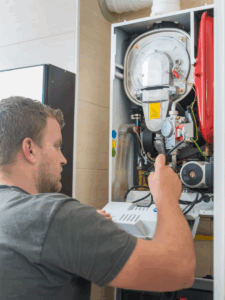 You can check a few things without risk.
- Replace the dirty air filter
- Make sure vents and returns are open
- Confirm thermostat settings
- Reset the furnace once, and only once
- Look for visible error codes
Do not touch internal wiring, gas components, or sensors. If you hear a humming sound, smell burning, or see repeated furnace shutting, stop and call a professional.
Why Furnace Overheating Should Never Be Ignored
Overheating stresses every part of the system. It shortens equipment life. It raises fire and carbon monoxide risks. It turns small fixes into expensive repairs. Ignoring it never saves money.
When Furnace Overheating Means Repair or Replacement
Signs You Likely Need Furnace Repair
Some overheating events come from airflow issues or failing parts. Furnace repair usually solves these problems when caught early.
- Isolated overheating
- Restricted airflow
- Sensor or switch failures
Signs Furnace Replacement May Be the Better Option
Some problems do not stop repeating. At that point, replacement makes more sense.
- Furnace over 15 years old
- Repeated overheating shutdowns
- Cracked heat exchanger
- Rising energy bills
- Uneven heating in Fort Worth homes
Frequently Asked Questions
Why is my furnace overheating and shutting off?
The furnace overheats because heat cannot move through the system properly. Safety controls shut it down to prevent damage.
Can a dirty air filter cause a furnace to overheat?
Yes. A dirty air filter restricts airflow and traps heat inside the furnace.
Is furnace overheating dangerous?
Yes. Overheating increases fire risk and carbon monoxide exposure.
How often should a furnace overheat before I call for service?
Once is enough. Repeated overheating means a real problem exists.
Should I turn my furnace off if it overheats?
Yes. Turn it off and call a professional to prevent further damage.
How much does furnace repair cost in Fort Worth?
Costs depend on the issue. Minor repairs cost less. Major failures vary by system age and condition.
 Schedule Furnace Repair or Replacement in Fort Worth Today
If your furnace is overheating, Comfort Experts can find the cause fast and fix it the right way. Our Fort Worth technicians handle furnace repair and replacement with clear explanations and no pressure. Call Comfort Experts today and restore safe, steady heat.