Heater emergencies do not start as emergencies. They start as small warning signs homeowners ignore. In Fort Worth, fast temperature swings make that risky.
This guide explains how heater breakdowns happen, how to stop them early, and how to know when the situation has already become an emergency.
Why Heater Emergencies Usually Happen
Heaters rarely fail without warning. Most emergency calls follow weeks or months of ignored problems that finally reach a breaking point.
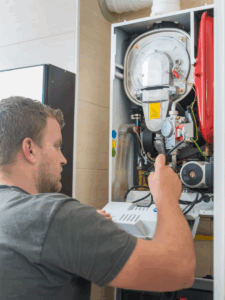 Small Problems That Turn Into Big Failures
Small heater problems rarely show up all at once.
A loose part starts to rattle. Burners get dirty and stop burning fuel cleanly. An ignitor hesitates before the system turns on. Airflow slows because filters or ducts clog.
Each issue feels minor, but they stack up. Eventually, the heater overheats, shuts itself down, or refuses to start at all.
Skipped Maintenance Is the #1 Cause
Heating systems do not suddenly quit. They wear down quietly while still producing heat. Annual inspections catch worn parts, buildup, and safety issues before failure happens.
Texas Weather Makes Problems Worse
Fort Worth heaters often sit unused for long stretches. Sudden cold snaps demand immediate performance. The first real use of the season exposes hidden issues fast.
Early Warning Signs Your Heater Is Heading Toward an Emergency
Your heater usually gives warnings before it stops working. These signs are easy to miss unless you know what they mean.
Weak or Uneven Heat
Weak airflow or burner problems cause rooms to heat unevenly. The heater compensates by running longer, which accelerates wear.
Strange Smells or Noises
Burning smells, electrical odors, banging, or rattling are not normal. These signs point to overheating, wiring issues, or loose components that need immediate attention.
Short Cycling or Random Shutoffs
Safety controls shut the system down when a fault appears. Repeated shutdowns mean the heater is protecting itself from damage.
Rising Energy Bills
A damaged heater uses more energy to maintain temperature. Higher utility bills often appear before a complete breakdown.
What You Can Do Now to Prevent Emergency Heater Repairs
A few simple actions reduce the risk of emergency repairs. These steps protect the system before cold weather exposes weak points.
 1. Replace Air Filters on Schedule
Dirty filters restrict airflow. Poor airflow causes overheating, stress, and forced shutdowns.
2. Keep Vents and Returns Clear
Blocked vents trap heat inside the system. The heater works harder under pressure it cannot release.
3. Test the Thermostat Before Cold Weather
Faulty thermostat readings cause overuse, short cycling, or failure to start. Testing early prevents false system strain.
4. Schedule Professional Heater Maintenance
A professional inspection identifies problems homeowners cannot see. This includes cracked heat exchangers, electrical faults, and failing ignition components.
When Heater Problems Become an Emergency
Some heater issues cannot wait. These situations require immediate action to protect safety and comfort.
No Heat During Cold Weather
Loss of heat during winter puts families and pets at risk. The longer the outage lasts, the greater the danger.
Burning or Electrical Smells
These smells indicate fire risk. Shut the heater off immediately and call for emergency service.
Carbon Monoxide Concerns
Gas heaters require urgent attention if alarms sound or symptoms appear. Carbon monoxide exposure is dangerous and demands immediate response.
Heater Will Not Turn On
Repeated failed startup attempts signal electrical or ignition failure. Continued attempts can cause further damage.
Why Emergency Heater Repair Is Not a DIY Situation
Emergency heater problems involve real hazards. Electrical components and gas systems require professional handling. Safety switches shut systems down to prevent unsafe operation. DIY attempts often bypass these protections and make the situation worse.
FAQ: Emergency Heater Repair & Prevention
 Can regular maintenance really prevent heater emergencies?
Yes. Most emergency calls start as minor issues that routine inspections catch early.
How do I know if my heater issue is an emergency?
No heat, burning smells, or repeated shutdowns indicate an emergency.
Is it safe to run a heater making strange noises?
No. Shut the system down and call a professional.
How fast can emergency heater repair be done?
Many issues are resolved the same day with proper diagnosis.
Should I turn my heater off before calling for emergency service?
Yes, especially if you notice smells, noises, or safety concerns.
Call Comfort Experts for Emergency Heater Repair in Fort Worth
Emergency heater problems do not wait. Neither should you. Comfort Experts provides fast, professional emergency heater repair throughout Fort Worth and surrounding areas.