Yes, electrical outlets go bad over time. Internal contacts wear down, wiring loosens, and repeated heat buildup damages components. Outlets are not just holes in the wall. They are mechanical devices that experience constant wear and tear from plugging and unplugging appliances.
Electrical load, age, and environmental conditions slowly degrade them. When outlets fail, they can become a fire hazard or create a risk of electrical shock.
In this guide, you’ll learn how long outlets last, why they fail, warning signs to watch for, what you can safely check, and when to call a licensed electrician to protect your home’s electrical system.
Quick Takeaways
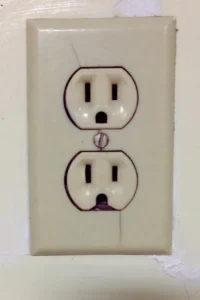 Yes, outlets can go bad due to wear, heat, and wiring issues
- Most outlets last 15–25 years depending on use
- Loose plugs, burn marks, heat, and buzzing are warning signs
- Faulty outlets increase fire risk
- Professional inspection ensures safe replacement
How Long Do Electrical Outlets Last?
Most standard electrical outlets last 15 to 25 years.
However, lifespan depends on use and environment.
High-use outlets wear out faster. Kitchens, living rooms, and home offices see more plugging and unplugging, which loosens internal contacts. Outlets in older homes may already be outdated or ungrounded. Moisture exposure in bathrooms, kitchens, garages, and outdoor areas shortens lifespan even more.
If your home is over 20 years old and the outlets have never been replaced, it’s worth having them inspected.
Why Electrical Outlets Go Bad
Outlets fail because of internal wear or external stress. Over time, loose connections, heat, and faulty wiring create reliability and safety issues.
Worn Internal Contacts
Every time you plug something in, metal contacts inside the outlet flex slightly. Years of plugging and unplugging weaken that grip.
When plugs sit loosely, the connection becomes unstable. Poor contact creates heat buildup, which accelerates damage.
Loose or Damaged Wiring
Inside the electrical box, wires connect to the outlet terminals. Over time, loose wiring or backstab connections can shift.
Loose connections increase resistance and may cause arcing. Arcing generates heat and increases the risk of electrical shock or fire.
Overloaded Circuits
Plugging high-demand devices like space heaters or appliances into standard outlets strains the receptacle.
Excess heat damages the internal structure. If the circuit breaker trips frequently, it may signal stress on that section of your home’s electrical system.
Moisture Exposure
Water and electricity do not mix.
Outlets in bathrooms, kitchens, garages, and outdoor spaces face humidity and occasional moisture exposure. Corrosion weakens internal components and increases the likelihood of electrical issues.
That’s why ground fault circuit interrupter GFCI outlets are required in many of these areas.
Age and Outdated Design
Two-prong outlets lack grounding protection. Many older homes still have them.
Outdated outlets also lack modern safety features like GFCI or AFCI protection. Upgrading to modern outlets improves safety and ensures your home meets current electrical standards.
Signs an Electrical Outlet Is Going Bad
Watch for these warning signs:
- Plugs fall out easily: Loose internal contacts no longer hold plugs securely.
- Outlet feels warm or hot: Heat suggests resistance or internal damage.
- Buzzing or crackling sounds: This can indicate loose connections or arcing.
- Sparks when plugging something in: Small static sparks can happen occasionally, but frequent or large sparks signal trouble.
- Burn marks or discoloration: Dark spots or melted plastic indicate overheating.
- Intermittent power: Devices flicker on and off or only work when the plug is positioned a certain way.
If you notice a burning smell, turn off power at the breaker and call a professional immediately.
Is a Bad Outlet Dangerous?
 Yes.
Yes.
A failing outlet can become a serious fire hazard. Loose wiring and overheating create conditions for electrical fires behind the wall.
Other risks include:
- Electrical fires
- Risk of electrical shock
- Melted wiring behind walls
- Damage to appliances
Electrical problems rarely fix themselves. They get worse over time.
What You Can Safely Check Before Calling an Electrician
There are a few basic checks homeowners can perform safely:
- Test another device in the outlet
- Check the circuit breaker panel for a tripped breaker
- Look for visible damage or discoloration
Do not remove the outlet cover or attempt wiring repairs yourself. Opening the outlet exposes you to live electrical components.
When to Replace an Electrical Outlet
Replacement is the safest option if:
- The outlet feels loose
- You see burn marks or melting
- Power cuts in and out
- Your home still has two-prong outlets
- GFCI outlets fail to reset
Replacing outlets is a proactive safety measure. It protects your home and prevents larger electrical issues.
Benefits of Upgrading Your Outlets
Upgrading provides both safety and convenience.
- Improved safety protection
- Tamper-resistant receptacles for homes with children
- Required ground fault circuit interrupter GFCI outlets in kitchens and bathrooms
- USB-integrated outlets for modern devices
- Stronger plug retention
- Optional smart outlets for energy monitoring and control
Modern outlets improve function while helping ensure your home meets code requirements.
FAQ
Do electrical outlets wear out over time?
Yes. Electrical outlets wear out over time due to heat, loose connections, and repeated plugging and unplugging. Most last 15–25 years before performance and safety decline.
How do I know if an outlet needs to be replaced?
Signs include loose plugs, warmth, burn marks, buzzing, intermittent power, or a burning smell. Any of these indicate replacement is needed.
Can a bad outlet cause a fire?
Yes. Loose wiring and overheating inside an outlet can ignite surrounding materials and create a fire hazard.
Should I replace old two-prong outlets?
Yes. Two-prong outlets lack grounding protection. Replacing them with properly grounded outlets improves safety and supports modern appliances.
How much does it cost to replace an electrical outlet?
Costs vary depending on outlet type, wiring condition, and accessibility. Standard replacements are less complex than upgrading to GFCI or modern outlets.
Schedule Outlet Repair or Installation Today With Comfort Experts
 If you suspect your electrical outlets are failing, don’t ignore the warning signs. Small problems can escalate quickly.
Our licensed electricians provide:
- Fast, safe outlet repair
- Code-compliant installation
- Full electrical safety inspection
- Service throughout Fort Worth, TX and nearby areas
We inspect your home’s electrical system thoroughly and replace damaged outlets the right way. Upgrading outlets is not just a repair—it’s a smart step to ensure your home stays safe and reliable.
Contact us today to schedule professional outlet repair or installation and protect your home from preventable electrical hazards.