Skip to content

Comfort Experts

HVAC, Plumbing, & Electrical Services

  • Cooling
    • Air Conditioning

      • AC Maintenance
      • AC Repair
      • AC Replacement

      Heat Pumps

      • Heat Pump Maintenance
      • Heat Pump Repair
      • Heat Pump Installation

      and MORE

      • Indoor Air Quality
      • Nest Thermostats
  • Heating
    • Heaters

      • Heater Maintenance
      • Heater Repair
      • Heater Replacement

      Furnaces

      • Furnace Maintenance
      • Furnace Repair
      • Furnace Replacement

      and MORE

      • Indoor Air Quality
      • Nest Thermostats
  • Plumbing
    • Water Heaters
    • Tankless Water Heaters
      • Tankless Water Heater Maintenance
      • Tankless Water Heater Repair
      • Tankless Water Heater Installation
    • Piping & Repiping
    • Toilets
    • Faucets & Fixtures
    • Drain Cleaning
    • Gas Lines
    • Water Softeners
    • Water Filtration
  • Electrical
    • Electrical Panel Replacement
    • Electrical Outlets
    • Whole-Home Generators
    • Outdoor Lighting
    • Ceiling Fan Installation
    • Solar Panel Installation
    • Solar Panel Repairs and Maintenance
  • About Us
    • Home & Budget Protection Club
    • Service Areas
    • Special Offers
      • $99 Drain Clearing
      • $900 Power Inlet Box
      • 16 SEER for 14 SEER Price
    • Coupons
    • Free 2nd Opinion
    • Financing
    • Blog
  • Join Us
  • (817) 341-5149
  • BOOK NOW
[v8_schedule_button form-id="13" heading="Book Online" text="Schedule an appointment with Comfort Experts"]

How Often Should You Change Your AC Filter?

When it comes to changing your AC filters, you probably already know how vital it is that you get this simple task done to ensure that you prevent AC repairs and keep your heating and cooling system working in optimal condition. However, while many people believe that changing the filter once a month is common practice, you may want to refine the way you care for your air conditioner. If you are not sure what the best schedule is for you to when it comes to changing filters and what type you should be using, you can ask an AC repair professional when you get your next service call or inspection. Here we start with a few questions to let you know if you are changing your filters often enough.

Do You Have Pets?
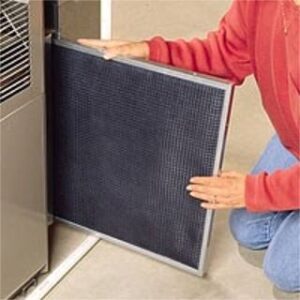
When you have pets, you will often have more dirt, dander, and hair stirred up in the air, and you will want to make sure your AC unit is doing its job and properly filtering this out of the air. Depending on how many pets you have and what type of hair they have, you may need to start checking your filter more frequently and then create a new schedule based on what you find. Remember that the more buildup in your filter when you change it, the harder your unit may be working to combat it.

How Much Foot Traffic Is in Your Home?

If you have a large family, kids, or entertain often, you may want to check your filter more often. The more foot traffic in your home, the more dirt and allergens will be brought in, and you want to ensure that these have somewhere to go. Simply check your filter a week earlier or clean it out more often, and you will prevent AC repairs and keep the comfort level of your home on the up and up.

What Type of Filters Are You Using?

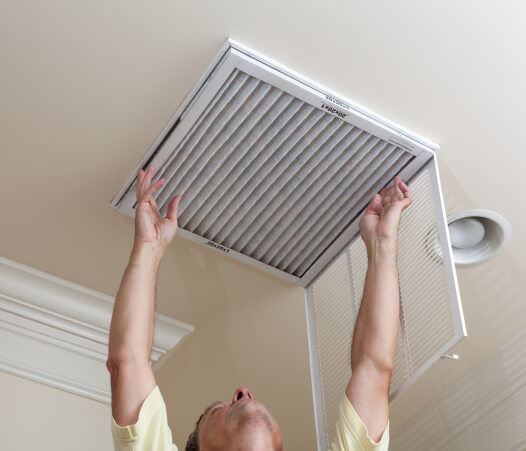
Make sure you are using the right size and style of filter for your particular model. For most home AC systems, you will find that most local stores will carry your size, but if you have a larger or different style unit, you may want to speak with the experts to make sure you are using the best option for you.

How Often Is Your AC System Running?

In peak seasons, you may find that you are running your unit more frequently, and this should be taken into account when you are changing filters. If you know that your unit is working hard in the middle of the summer to keep your home cool, then be sure to check the filter and change it more often to help it run smoothly.

Filter changes are a simple and often forgotten way to prevent AC repair and keep your system running the way it was designed. Be sure you set a timer or mark your calendar and keep up with this routine maintenance task, and if you have any questions, don’t hesitate to reach out to the pros.
Filed Under: Indoor Air Quality

Pros and Cons of UV Air Filtration

As technology continues to increase in our world, specific industries gain new advancements that help increase the quality and safety of living in certain environments. Our home, where we spend most of our time relaxing, spending time with family, and sleeping, is an area we want to make sure is high quality and safe for us. By utilizing traditional and advanced features in air conditioning, we can harness the benefits of regulated temperatures and humidity, as well as purified air.

What is UV Air Filtration?

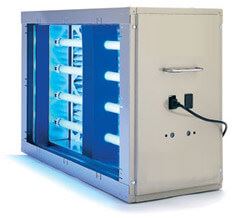
UV stands for ultraviolet. UV Air Filtration is a specialized way of treating your air that reduces biological compounds. It can also help eliminate potentially harmful bacteria and viruses from the air. All of this is done through the special treatment of UV light.

Another name for UV Air Filtration is UV Air Purification. There are special products that can be installed as an addition to current HVAC systems so that the UV air filtration or UV air purification system purifies the air as it is conditioned by your ac and heating system.

Pros of a UV Air Filtration System

The biggest benefit of UV air filtration is that it directly interacts with the air and eliminates harmful bacteria in the air. It focuses on the elimination of microscopic elements that are toxic or harmful to us and results in a cleaner environment to live in and cleaner air to breathe.  Additionally, uv air purifiers do this silently so that you won’t even know they’re running.

Cons of a UV Air Filtration System

The negatives of a UV filtration system are that it can sometimes be costly as it is a newer form of air purification. Depending on your area and the available models nearby, you should be able to find a system that meets your budget while still maintaining air quality needs.

Functionally, UV systems are designed to work with a particle filter rather than as a stand-alone item, so regular filter replacement or cleaning is still required. In addition, the UV bulbs will need to be replaced every 12  to 24 months, depending on the model.

UV purification systems also do not directly remove most allergens, dust, and other solids from the air. While they can still purify the air, increasing its cleanliness and quality, they do not remove cigarette smoke, gases, or other chemical fumes from the air.

If you would like to further increase the quality of living in your home or workspace, consider installing a UV air filtration system. The local comfort specialists at Comfort Experts will be able to help you identify the benefits for you or your business, the costs associated with a UV air filtration system, and the installation process itself. By combining a UV air filtration system with your current AC system, you can drastically increase the quality of the air that you breathe, which can result in the overall comfort of you or your guests.

Filed Under: Indoor Air Quality

Most Common Culprits of Poor Indoor Air Quality

The goal of your HVAC system is to provide a comfortable environment inside your house. This includes proper humidity levels, appropriate temperatures, and good air quality. Many homeowners don’t realize how important air quality is within their home until ventilation problems occur and chronic sickness or discomfort results. At Comfort Experts, Inc., we offer a free air quality analysis to determine the level of your indoor air quality. Here are some of the most common culprits of poor indoor air quality.

Second-hand SmokeAc Air Filter

If someone in your home is a smoker, second-hand smoke is almost definitely affecting the indoor air quality. The only way to truly negate the presence of second-hand smoke in your home is to disallow any smoking inside the house. Keeping second-hand smoke outdoors will greatly improve the air quality of your home fairly quickly, increasing the comfort and health of you and your family.

Mold

Created from moisture, mold can wreak havoc on the air quality in your home, particularly in those with asthma or other respiratory diseases. Mold is completely related to moisture, most often growing from high humidity within the home or some type of water leak. Keeping a handle on your home’s humidity level (try to keep it below 50%) and taking care of any possible leaks immediately will reduce the likelihood of mold in your home. If you do discover mold, cleaning it thoroughly and determining the source of the problem are the best ways to keep it from recurring.

Other Allergens

Pet dander and plant pollen are the most common allergens known to negatively affect indoor air quality. Keeping your home as clean as possible by vacuuming and dusting regularly are the best ways to reduce allergens within your home. Also, wiping down pets after being outside and keeping shoes near the door or outside will help keep your air quality higher.

Carbon Monoxide

Most people know that carbon monoxide is odorless, colorless, and toxic. And many know that it can come into your house from a running car in the closed garage, but there are a few additional sources of carbon monoxide that many are unaware of. Carbon monoxide can also come from tobacco smoke, fossil fuel-run space heaters, and defective central heating furnaces. If you think you have a carbon monoxide problem, you should leave your house immediately as the repercussions can be fatal.

Here at Comfort Experts, we are concerned with the safety and health of your family, so we are happy to help you learn about what’s affecting your air quality and what we can do to improve it. If we discover any possible air quality issues, we will then work with you to create a plan to reduce the issues and improve the air quality within your home. Many indoor air quality issues can be taken care of in simple ways, such as doing regular AC maintenance, performing appropriate AC repairs when needed, and many of the suggestions made above, as well. For an air quality check and all your AC maintenance and repair needs, contact Comfort Experts, Inc. today!

Filed Under: Indoor Air Quality

  • « Previous Page
  • 1
  • 2

Get In Touch

Give Us a Call

(817) 341-5149

Book Now
Brett and Brian Hobson at Comfort Experts Fort Worth

How can we help you?

Name(Required)
Consent(Required)
You agree to receive automated promotional messages. You also agree to the Terms of Services and Privacy Policy. This agreement isn't a condition of any purchase. 5Msgs/Month. Msg & Data rates may apply. Reply STOP to end or HELP for help.

Terms & Conditions • Privacy Policy • Customer Portal
Copyright © 2026 · Comfort Experts Inc. | HVAC License: TACLA20501C • Electrical License: #32922 • MASTER RMP License #7163

(817) 341-5149
BOOK NOW