
Yes — water heaters can explode, but it’s extremely rare and always preventable with regular maintenance.
When it happens, it’s not a fiery movie-style blast — it’s pressure. Too much heat and trapped steam can turn a 50-gallon tank into a steel rocket.
The good news? Your water heater gives you plenty of warning signs before things get dangerous. You just have to know what to look for.
Quick Takeaways
- Water heater explosions are rare but possible when pressure builds inside the tank.
- A faulty temperature and pressure (T&P) relief valve is the most common cause.
- Sediment buildup, overheating, or corrosion increase internal pressure and risk.
- Flush the tank annually and inspect the anode rod every few years to stay safe.
- Watch for popping noises, leaks, or rotten egg smells — all warning signs of pressure trouble.
- Turn off gas or power and call a plumber immediately if your water heater hisses or overheats.
What Actually Causes a Water Heater to Explode
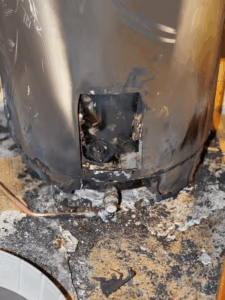 Explosions happen when pressure builds faster than it can be released. A few issues cause that chain reaction.
Pressure Buildup
Water expands as it heats. Inside a sealed tank, that creates pressure.
When the T&P valve fails, the pressure has nowhere to go. The tank keeps heating until the pressure wins. The result: extreme heat, trapped steam, and a sudden, violent release.
Faulty Temperature and Pressure Relief Valve
The T&P valve is your water heater’s safety switch. It opens when temperature or pressure reach unsafe levels.
Over time, it can rust, clog, or stick shut. If it looks corroded, leaks, or is coated in white mineral crust, replace it.
Sediment and Mineral Buildup
Hard water leaves minerals behind. Over years, they settle at the bottom of the tank and trap heat under the layer of sediment.
That trapped heat makes the water boil unevenly, producing popping noises and extra pressure.
Overheating or Thermostat Failure
If the thermostat fails, your heater keeps running even after the water is hot enough. Temperatures above 140°F can spike internal pressure quickly.
Corrosion and Rust
The anode rod protects the tank from rust by attracting corrosion. When it wears out, the tank starts corroding instead. A rusty, weakened tank under pressure is one bad day away from bursting.
Signs Your Water Heater Might Be at Risk
Water heaters rarely fail without warning. They make noise, leak, or give off smells long before that. Watch for:
- Rumbling or popping sounds: trapped steam bubbling through sediment.
- Water leaks: corrosion or cracked fittings that weaken the tank.
- T&P valve constantly dripping: could signal excessive pressure.
- Extremely hot or scalding water: thermostat or temperature control issue.
- Rusty or discolored water: internal corrosion and failing anode rod.
- Rotten egg smell or gas odor: possible gas leaks — shut it off immediately.
If you notice more than one of these warning signs, call a professional. Pressure problems get worse fast.
How to Prevent a Water Heater Explosion
 You don’t need luck — just maintenance. These small steps keep your water heater safe and reliable.
Check the Pressure Relief Valve
Lift the test lever once a year. You should hear a short rush of water. If nothing happens, or if it drips constantly, it’s time to replace it.
Flush the Tank Once a Year
Draining a few gallons clears out sediment buildup. This simple step lowers water pressure, keeps heating efficient, and prevents overheating.
Keep Temperature Around 120°F
Anything higher adds stress to the tank, wastes energy, and raises scalding risk.
Inspect for Leaks or Rust
Small leaks can weaken the tank. Rust streaks or damp spots mean corrosion has already started.
Schedule Annual Professional Maintenance
A plumber can test the T&P valve, inspect the anode rod, and catch small issues before they turn serious.
What to Do If You Suspect Danger
If you think your water heater is unsafe, act fast.
- Turn off power or gas to stop heating.
- Shut off the cold-water supply to reduce pressure.
- Don’t drain or tamper with the system yourself.
- Call a licensed plumber or emergency technician right away.
FAQ: Can Water Heaters Explode?
How common are water heater explosions?
They’re very rare — but they can happen if internal pressure builds with no release.
What causes most water heater explosions?
Usually, a failed T&P valve or sediment buildup that traps heat and pressure.
What are the signs a water heater might explode?
Rumbling noises, leaks, scalding water, or steam and hissing from the tank.
Can an electric water heater explode too?
Yes. Overheating and failed pressure controls can cause pressure to rise in electric models just like gas units.
How can I prevent my water heater from exploding?
Flush it yearly, replace the anode rod, and schedule professional maintenance once a year.
Call the Plumbing Genius for Water Heater Safety and Repairs
 Most water heater explosions don’t happen suddenly — they happen after months or years of skipped maintenance.
If your system rumbles, leaks, or smells like gas, it’s trying to tell you something.
Comfort Experts keeps Fort Worth homes safe with expert water heater inspections, repairs, and replacements. We check the pressure, test valves, and restore peace of mind.
Don’t wait for an emergency. Call Comfort Experts today — and get Plumbing Genius on your side.