
If you are deciding between a furnace or a heat pump, you are not alone. Many homeowners feel stuck because both systems heat a home, yet they work in very different ways.
The right choice depends on climate, energy efficiency, and long-term cost. In Fort Worth, where winters are usually mild and summers are long, the local climate plays a bigger role than most people expect.
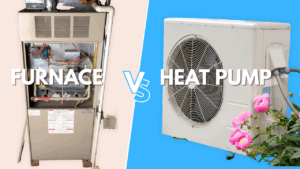 Quick Takeaways: Furnace vs Heat Pump
- Heat pumps move heat; furnaces generate heat
- Heat pumps heat and cool your home using one system
- Furnaces perform best during sustained extreme cold
- Fort Worth’s climate favors heat pump efficiency
- Dual fuel systems combine pumps and furnaces
How a Heat Pump Works
Heat pumps work by moving heat rather than creating it. Electric heat pumps pull heat from the outdoor air and bring it inside. In warm months, the system reverses and cools your home the same way air conditioners do.
Heat pumps move heating energy instead of making it with electric resistance. This means they use less power to get the same result. Even when the outdoor temperature feels cool, usable heat still exists in the air. This allows heat pumps to perform well during the mild to moderate winters common in North Texas.
How a Furnace Works
Furnaces work by generating heat. Gas furnaces burn fuel to create warmth, while electric furnaces rely on electric resistance. The system then pushes heated air through ducts to warm the home.
Furnaces typically deliver strong and consistent heat. They perform well in cold climates where outdoor temperatures stay low for long periods. However, furnaces only provide heat. You still need a separate system to cool your home during summer.
Furnace vs Heat Pump: Key Differences
Choosing between a furnace and a heat pump starts with understanding how they differ. While both are types of heating systems, they serve homes in different ways.
- Heating method: Heat pumps move heating energy. Furnaces generate heat directly.
- Cooling capability: Heat pumps cool your home. Furnaces do not.
- Energy source: Heat pumps use electricity. Furnaces may use gas or electricity.
- Efficiency profile: Heat pumps are often more energy efficient. Furnaces rely on fuel use.
- System complexity: Heat pumps handle year-round comfort. Furnaces work with air conditioners.
Energy Efficiency: Furnace vs Heat Pump
Heat pumps often outperform furnaces in energy efficiency because they move heat instead of creating it. This efficiency is measured using COP, which reflects how much heating output a system provides compared to energy used. Furnaces use AFUE, which measures how much fuel becomes usable heat.
In North Texas, efficiency matters because winter temperatures rarely stay below freezing for long. Heat pumps maintain strong performance in these conditions, which lowers utility use over time. Gas furnaces may still be efficient, but fuel costs and usage add up faster than electricity in many cases.
Installation Costs and Long-Term Operating Costs
Installation costs vary based on system type, home size, and existing equipment. Heat pumps usually cost more upfront than furnaces because they replace both heating and cooling systems. Furnaces often cost less initially but require a separate air conditioner.
In the long run, heat pumps usually cost less to run. This is because they are more energy efficient and have fewer parts.
Furnaces may require more frequent repairs, especially gas models with burners and ignition systems. Long-term value depends on usage patterns and local energy rates.
Furnace vs Heat Pump in Fort Worth, TX
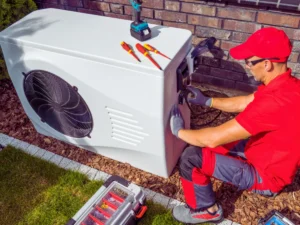 Climate matters more than brand or model. Fort Worth winters are generally mild, with short cold snaps rather than sustained freezing weather. These conditions favor heat pumps, which maintain efficiency when outdoor temperatures stay above extreme lows.
Heat pumps usually work better than furnaces in many areas. They are efficient for most of the year. They also cool homes during hot summers.
Furnaces still make sense for homeowners who prefer gas heating or want maximum heat output during rare deep freezes.
Is a Dual Fuel System the Best of Both Worlds?
Dual fuel systems combine electric heat pumps with gas furnaces. The heat pump takes care of most heating needs. The furnace turns on when outdoor temperatures get too low for efficiency.
This setup works well in Fort Worth homes that want efficiency without sacrificing cold-weather performance. Dual fuel systems suit homeowners focused on long-term savings who want flexibility across changing conditions.
Furnace vs Heat Pump: Which One Should You Choose?
The right system depends on your priorities, not trends.
- Energy-conscious homeowners: Heat pumps deliver strong energy efficiency year-round.
- Cold-sensitive households: Furnaces provide intense heat during short cold spells.
- Older homes: Furnaces may fit existing infrastructure better.
- Long-term value: Heat pumps often provide better returns over time.
FAQ: Furnace vs Heat Pump
What is cheaper to run: a furnace or a heat pump?
Heat pumps usually cost less to run in mild climates because they move heating energy instead of generating it. Gas furnaces may cost more depending on fuel prices.
Is a heat pump good enough for Texas winters?
Yes. Heat pumps work well in Texas winters, especially in areas like Fort Worth where temperatures rarely stay extremely low.
Does a heat pump replace both AC and furnace?
Yes. Heat pumps handle heating and cooling in one system, eliminating the need for separate air conditioners.
Do heat pumps stop working in cold weather?
No. Modern heat pumps continue working in cold weather, though efficiency drops as temperatures fall.
How long does a furnace vs heat pump last?
Both systems last about 15 to 20 years with proper maintenance, though heat pumps may experience less wear due to fewer heating cycles.
When to Call a Professional for Help Choosing
System sizing matters. Load calculations ensure the system fits your home’s layout and insulation.
Rule-of-thumb choices often lead to higher bills and uneven comfort. Local expertise helps match the right type of heating to real conditions.
 Get Expert Help Choosing the Right System
Choosing between a furnace and heat pump should not feel overwhelming. Comfort Experts helps Fort Worth homeowners select systems built for local weather and long-term comfort.
We serve Fort Worth and nearby areas with HVAC systems. Our systems are sized, installed, and optimized for Texas homes.